


Why Japan Cleans Up After Itself: What Africa Can Reclaim About Caring for Shared Spaces
I was watching the 2026 World Cup when it happened again. After Japan's 2 to 2 draw with the Netherlands at Dallas Stadium on June 14, thousands of Japanese fans did something most of the crowd did not: they pulled blue rubbish bags from their bags and, within minutes, moved through the stands picking up cups, bottles, and wrappers. The stadium looked spotless. Japan's players left their locker room immaculate too. Every item folded or put away. No one asked them to do it.
When a journalist asked a fan why they cleaned, 20-year-old Eita Tanaka replied simply: "We have to think about everyone." It was not showmanship. It was not rule-driven. It was a quiet, habitual care, the visible result of cultural practices shaped over decades.
Watching it, I asked: how do we build something like this in Africa? Not by copying Japan, but by reclaiming and strengthening our own traditions of shared responsibility.
"We have to think about everyone." Eita Tanaka, Japanese fan, Dallas Stadium, June 2026
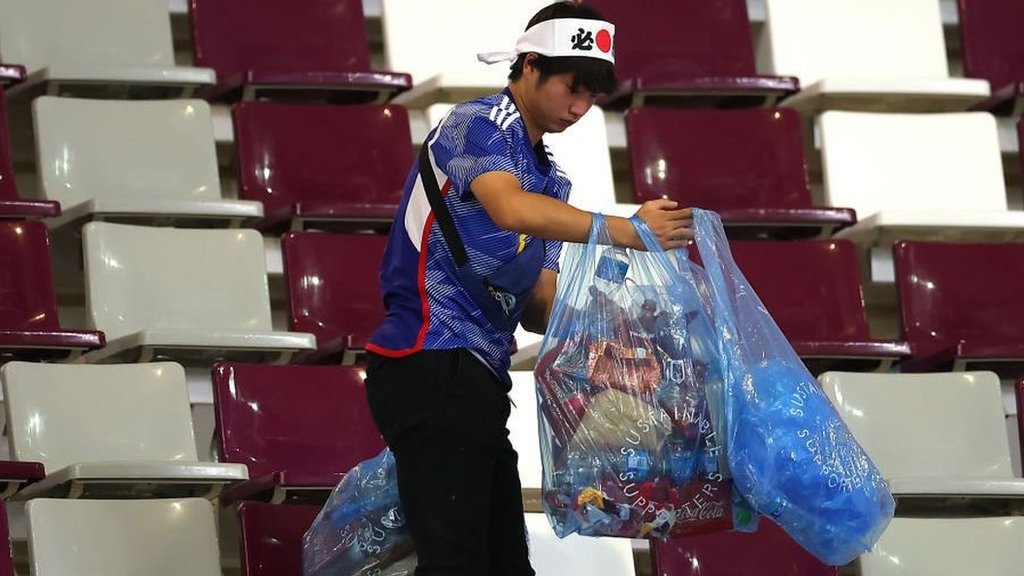
Japanese fans cleaning Dallas Stadium after the 2026 World Cup match. No one asked them to. Replace with real match photo.
It Starts in School
In Japan, cleaning in schools is deliberate policy. Students take part in soji, a short daily cleaning period when they sweep classrooms, scrub toilets, wipe hallways, and tidy the grounds. Teachers join in. Responsibilities are shared regardless of status. This is not framed as punishment but as moral education, part of a broader ethic that caring for shared places is an act of respect.
By repeating small acts of care from childhood, these behaviours become habits carried into adulthood. The six-year-old who sweeps a classroom is the twenty-year-old who sweeps a stadium stand.
The key insight: The Japanese fan at Dallas Stadium was not born tidy. He was taught, daily, across school and home, that shared spaces deserve care. That lesson takes years to fix in place. It starts with one adult handing a child a broom and saying: this is ours, we look after what is ours.
The Philosophy Behind the Mop
Cleanliness in Japan has spiritual and practical roots. Shinto concepts of impurity and purification treat cleaning as restoring social harmony. Zen and Buddhist practices regard sweeping and simple chores as forms of meditation and discipline: tending the environment tends the mind.

The domestic genkan, the entrance area where shoes are removed at the door, signals that boundaries between public and private are meaningful and observed. Respect for shared space begins before you even enter the room.
Omotenashi: Cleaning as Hospitality
The Japanese value of omotenashi, meaning wholehearted hospitality, reframes tidiness as consideration for the next person. That fan at Dallas Stadium captured it: when you use a place, make it tidier than when you arrived. This ethic explains why Japanese fans cleaned not to be seen, but because making a place better for others is simply what you do.
From School to Workplace
Soji does not stop with graduation. Many workplaces integrate quick group cleaning routines. Manufacturing systems such as Toyota's 5S (Sort, Set in order, Shine, Standardise, Sustain) formalise the same idea: a clean workspace reduces errors and builds shared ownership. When everyone contributes to the environment, the environment becomes everyone's responsibility.
Africa Already Has the Soil for This
It is wrong to assume these values are foreign to Africa. The continent holds many philosophies that place the group above the isolated individual:
Rwanda's Umuganda is a concrete example of communal labour made national: on the last Saturday of each month, citizens, leaders included, contribute to public works. It has contributed to Kigali's widely noted cleanliness and saved substantial public costs in communal labour.
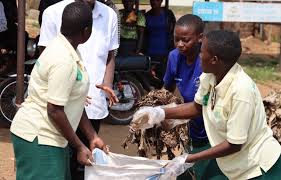
Rwanda's Umuganda: on the last Saturday of each month, citizens, including leaders, contribute to public works. Replace with real Umuganda photo.
What is often missing is the daily, repeated practice that turns value into reflex. Our traditions and words exist. The challenge is rebuilding everyday routines so caring for shared spaces becomes automatic rather than occasional.
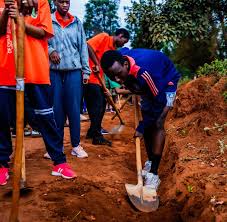
From soji to Umuganda, the lesson is the same: practice makes ownership. The six-year-old child today will be an adult in time for many future world stages. What will they do when the final whistle blows?
Build Responsibility and Confidence in Your Child From Age 6
At Sprout Life Skills, we help children aged 6 to 17 develop the character, habits, and communication skills that carry into every room they enter. In person in Nairobi and online across Africa.
Explore Kids ProgrammesA Practical Roadmap for Ages 6 to 17
Building the habit of caring for shared spaces is developmental work. Different capacities emerge at different stages. Here is how to approach each one deliberately.
Build habits through play. Use routines, games, and simple tasks. Reward repetition more than perfection. The habit matters far more than the result at this age.
Expand responsibility. Explain why spaces matter. Rotate non-punitive duties at school and let students clean alongside teachers rather than as a consequence of misbehaviour.
Give ownership and voice. Let teens design cleaning rotas, lead younger students, and organise community clean-ups. Connect tasks explicitly to pride in school and neighbourhood.
Ages 6 to 9: Build Habits Through Play
What to do: Use routines, games, and simple tasks such as clearing toys, wiping plates, or tidying a shelf. Reward repetition more than perfection.
What to avoid: Making cleaning a punishment. If it is associated with consequence from the start, children learn avoidance rather than ownership.
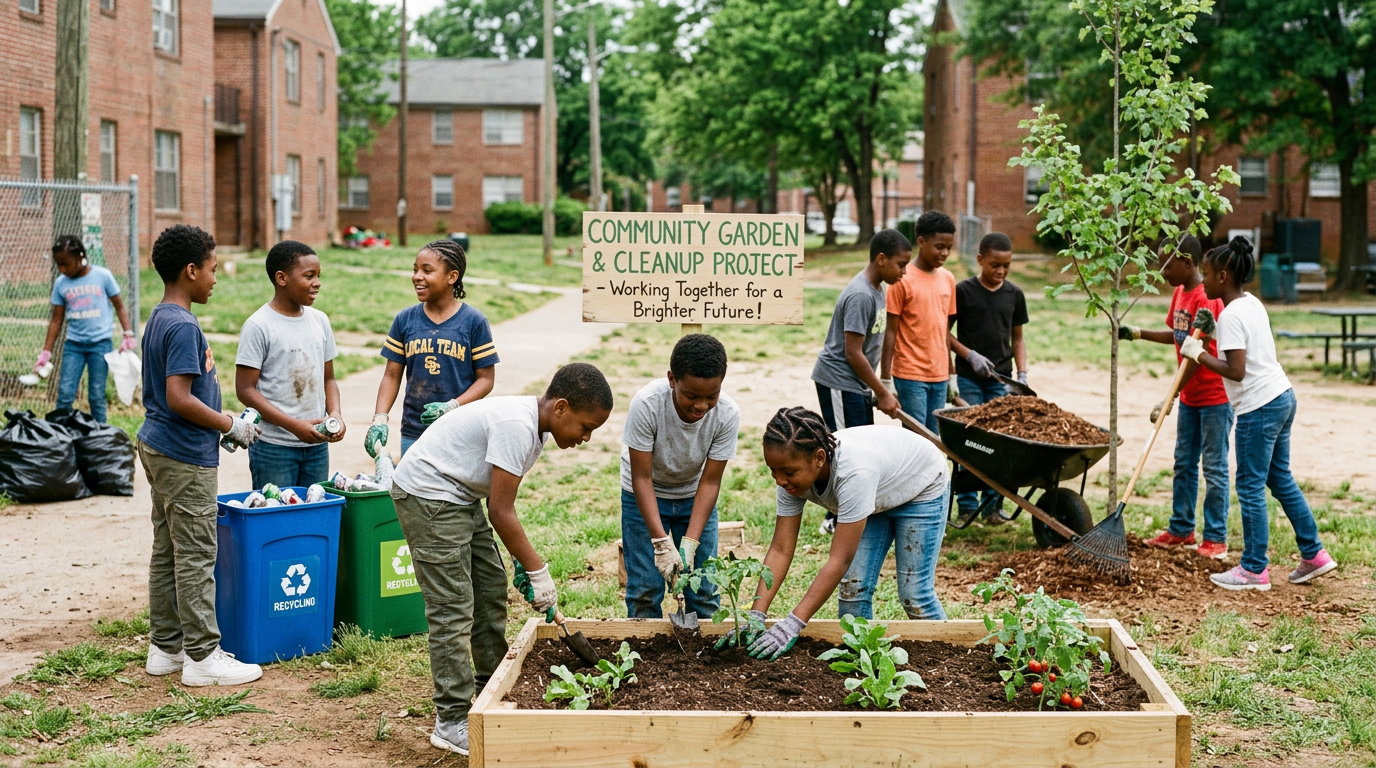
What it sounds like in practice at this age:
"Let us see who can pick up the most things in two minutes."
"You did such a good job wiping the table. That helps the whole family."
"This is our home. We all look after it together."
Ages 10 to 13: Expand Responsibility
What to do: Explain why spaces matter, not just how to clean them. A child who understands the reason behind a task develops ownership. A child who only follows instruction develops compliance.
What to avoid: Using cleaning as a disciplinary measure. Once it becomes punishment, it becomes something to resent and resist.
What it sounds like in practice at this age:
"When we leave a space cleaner than we found it, we are showing respect for whoever comes next."
"I wonder what it would feel like to arrive at school every morning and find it had been left in a mess by the day before."
Ages 14 to 17: Give Ownership and Voice
What to do: Let teenagers lead. Design the rota. Organise the clean-up. Brief the younger students. A teenager who has led something will not casually destroy it. Ownership is the deepest form of care.
What to avoid: Removing agency. Teenagers who are treated as though their ideas do not matter will treat shared spaces as though they do not matter either.
What it sounds like in practice at this age:
"You are leading the clean-up team for the event on Saturday. How do you want to organise it?"
"What would make this space feel like it actually belongs to the students who use it?"
How Parents and Schools Can Partner
Children learn where home and school send the same message. If school asks a child to clean but home signals that someone else will do it, the habit fails to form. The gap between what we teach in schools and what children observe at home is where most character development dies quietly.
At home: make it shared, not assigned
Assign age-appropriate, rotating tasks and model the behaviour yourself. Cleaning done as a shared family moment embeds very differently to cleaning as an individual chore to be checked off a list.
At school: teach technique alongside values
Short, purposeful sessions that pair practical skill with conversation about why it matters. Not just how to sweep, but what it says about a person who does it without being asked.
Close the loop between home and school
Simple weekly challenges, such as leaving the kitchen cleaner than you found it, give children consistent reinforcement across environments. Consistency is what converts a behaviour into a character trait.
The crucial shift: Move from "someone must clean" to "we own this space." If we treat public space as not mine, it becomes nobody's. If a child grows up in a home and school that insist the space is ours, they will act accordingly at the stadium, the market, and the classroom.
Beyond Tools: Owning Social Spaces
Ownership is psychological before it is physical. It is expressed by small acts such as sweeping a seat, folding up a jersey, or returning a cup to a bin, all supported by systems: school practice, public rituals, and civic expectations that make those acts visible and normal.
The Japanese fan at Dallas Stadium did not think about whether to clean. He just cleaned. That is the goal: not compliance, not rules, not shame. A quiet, automatic care that says, without words, that this space belongs to all of us and therefore to me.
What if we started the same conversation in our homes and schools today? The six-year-old child now will be an adult in time for many future world stages. What will they do when the final whistle blows?
"When you use a place, make it tidier than when you arrived." The ethic of omotenashi, applied to every shared space.
Coming Up From Sprout:
- Next week: Why personal responsibility starts before 18 and the one conversation most parents are having too late.
- Free resource: Our 10 Daily Habits for a Confident Child (ages 6 to 17) is available now. Send HABITS via WhatsApp or Instagram DM to receive it directly.
- Sprout coaching: If you want to explore which Sprout programme is right for your child, reach out directly. We will have a conversation with no pressure and no obligation.
- Organisation partnerships: Schools, NGOs, and youth organisations working with children aged 6 to 17 anywhere in Africa or globally, we are open to collaboration.
Invest in the Skills That Matter Most
Our programmes help African children aged 6 to 17 build character, communication confidence, and real life skills rooted in who they already are. In person in Nairobi. Online across Africa via SproutHub.
Explore Our Programmes Try SproutHub Online