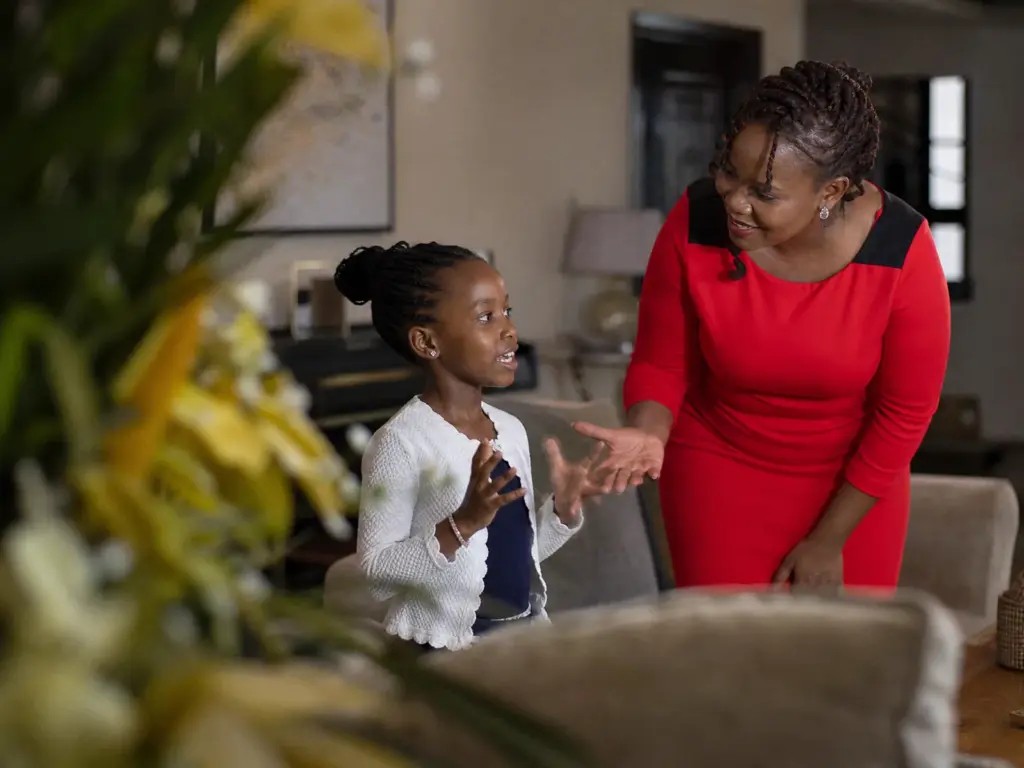

Emotional intelligence in children is the ability to notice, understand and manage their own feelings and to understand the feelings of others. It can be learned, and parents teach most of it at home through daily habits such as a short evening check-in, naming their own feelings out loud and listening before solving. This guide explains what emotional intelligence means for children aged 6 to 17, why it matters alongside grades, and eight things parents can start this week.
Key points
- Psychologists Peter Salovey and John Mayer first described emotional intelligence in 1990 as noticing, understanding and managing emotions in yourself and others.
- Emotional skills can be taught: a review of 213 school programs found that social and emotional learning improved children’s behavior and attitudes and lifted academic results (Durlak and colleagues, 2011).
- Academic pressure, screens, smaller households and the message that boys should “toughen up” all give children fewer chances to practice handling feelings.
- Children aged 6 to 9, 10 to 13 and 14 to 17 need different kinds of support from parents.
- A five-minute daily check-in with four questions is one of the simplest ways to practice emotional intelligence at home.

What is emotional intelligence in children?
Emotional intelligence in children is the ability to recognize what they feel, understand why, manage how they respond and notice what other people feel. Peter Salovey and John Mayer (1990), who first defined the idea, described it as perceiving emotions accurately, using them to think clearly, understanding them and managing them well.
For a child aged 6 to 17, emotional intelligence includes six parts:
- Self-awareness: knowing what you feel and why, and how it affects what you do.
- Self-control: choosing how and when to show a feeling, like the 8-year-old who is angry but takes a breath before answering.
- Empathy: understanding what another person feels, like the child who notices a classmate is having a hard day.
- Social skills: making friends, handling conflict, speaking up for yourself without aggression and hearing criticism calmly.
- Motivation: keeping going toward a goal when it gets hard.
- Feeling words: having words beyond happy, sad and angry, such as disappointed, nervous, left out or proud.
Emotional intelligence is different from being dramatic or never getting angry. It means understanding what you feel and choosing how to respond.
Why does emotional intelligence matter as much as grades?
Emotional intelligence matters as much as grades because children use it every time they make a friend, handle a disappointment or work through a disagreement. Many parents know a young person with excellent results who struggled once life stopped going to plan: a failed course, a conflict with a roommate, or people who did not like them.
Emotional skills can be taught. In a review of 213 school-based programs with more than 270,000 children from kindergarten to high school, Joseph Durlak and colleagues (2011) found that social and emotional learning improved students’ skills, attitudes and behavior, and that their academic results rose by about 11 percentile points compared with similar students.
What makes emotional intelligence harder for children to learn today?
Children today have fewer everyday chances to practice handling feelings with other people. Four pressures stand out for many families in Kenya and across Africa:
- Screens in place of faces. Children learn empathy by reading faces and learn self-control by getting through boredom and conflict. Hours on a screen leave less time for both.
- Feelings pushed aside by school pressure. A child upset about a friendship may hear “focus on your studies.” Heard often enough, the message becomes: your feelings are an inconvenience, so handle them alone.
- Smaller households. Children once grew up among grandparents, aunts, uncles and cousins, with many adults to learn from and to notice when something was wrong. A child in a city apartment may have far fewer.
- Boys told to toughen up. Many boys grow up hearing “boys don’t cry” or “stop being emotional,” especially about sadness and fear. Every child, boy or girl, needs the full range of words and tools for their feelings.
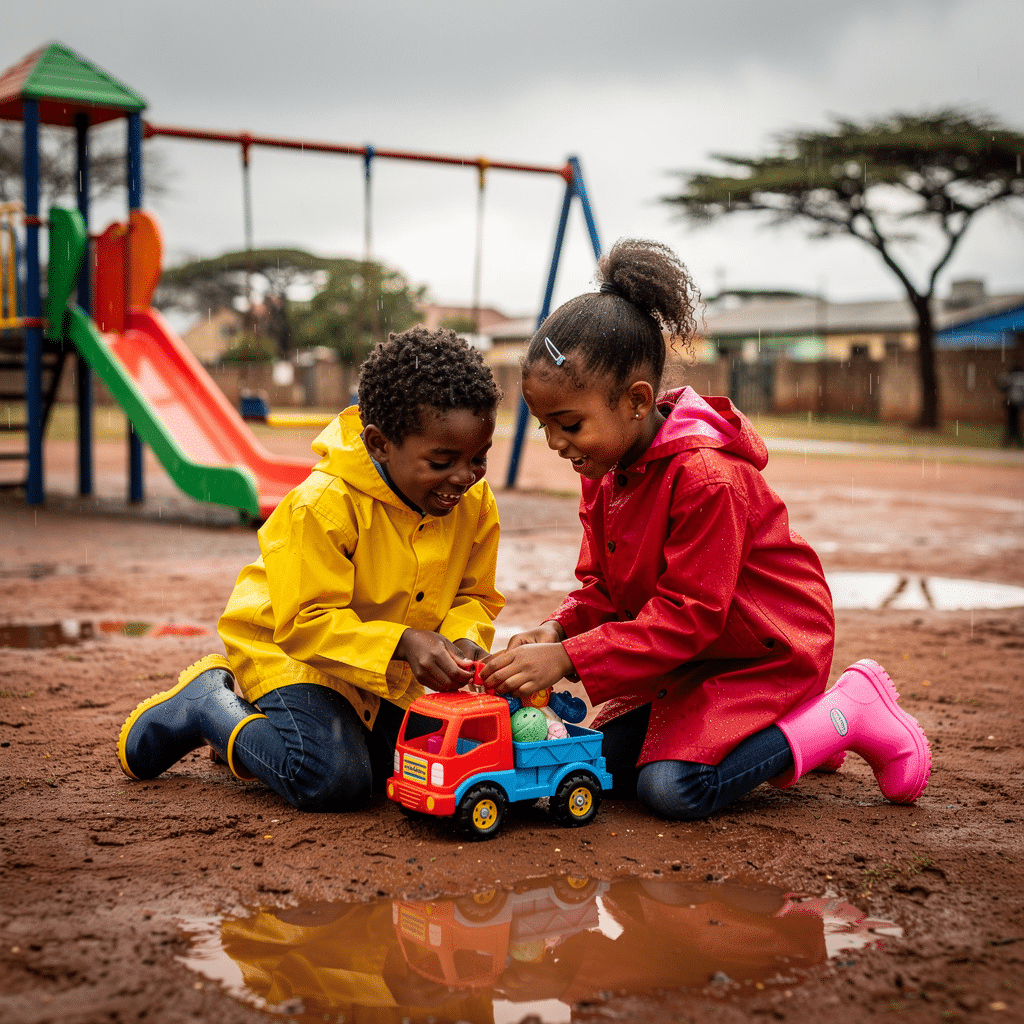
What does emotional intelligence look like at each age?
Emotional intelligence grows in stages, so children aged 6 to 9, 10 to 13 and 14 to 17 each need something different from their parents.
- Ages 6 to 9: naming feelings. Children are learning words for feelings, simple ways to calm down, and that other people feel differently. Avoid “You’re fine, stop being silly” or “Big children don’t cry.” Try: “You look frustrated. What does that feel like in your body?”
- Ages 10 to 13: handling strong feelings. Feelings get stronger and friendships become complicated. Children are learning to manage pressure, resolve conflict and separate what they feel from what they do. Avoid taking over or saying “It’s just a school friendship.” Try: “I can see this is painful. Tell me more before we work out what to do.”
- Ages 14 to 17: managing on their own. Teenagers are learning to handle their own feelings without a parent stepping in, and to show empathy in complicated relationships. Avoid meeting their intensity with your own. Try: “I notice you’ve been quieter this week. I won’t push, but I’m here.” Then wait.
8 things parents can do to help children’s emotional intelligence
1. Hold a five-minute check-in every evening
A short daily check-in gives children aged 6 to 17 regular practice in noticing and naming their feelings. Ask four questions, in this order, and listen more than you speak:
- “What was the best part of your day?”
- “What was the hardest part?”
- “How did you handle it?”
- “Is there anything still on your mind?”
Keep it a listening time, not a problem-solving session. A child who feels heard each day has less need to act out to be noticed.
2. Say your own feelings out loud
Children learn emotional intelligence mostly by watching the adults around them, so naming your own feelings calmly is one of the most useful things you can do. You need to be honest, not perfect.
Try this: “I felt frustrated in a meeting today. I noticed it, took a breath and then answered. It helped.” Or: “I’m feeling a bit overwhelmed right now. It isn’t your fault; I just want you to know why I seem distracted.”
3. Teach that a feeling is not an action
Children gain control over their behavior when they learn that feeling something and doing something are separate. Feeling angry does not mean hitting someone, and feeling jealous does not make you a bad person.
Try this: after something happens this week, ask “What did you feel? What did you tell yourself about it? What did you do? What else could you have done with the same feeling?”
4. Practice empathy with stories and daily life
Children build empathy by imagining how other people feel, and stories and everyday moments give them easy practice.
Try this: during a film, ask “What do you think that character is feeling? Why did they do that?” After a conflict, ask “Before we talk about what you did, what do you think the other person was going through?” On an errand: “The mama mboga seemed tired today. I wonder what her morning was like.”
5. Give your child more words for feelings
Children who can name a feeling precisely find it easier to manage. Help your child move beyond happy, sad and angry to words such as nervous, embarrassed, disappointed, left out, proud and relieved.
6. Listen before you solve
Children need to feel heard before they can think about solutions. Resist the urge to jump in with advice or to say “It’s not a big deal.” Ask “Tell me more,” and wait.
7. Give boys and girls the same permission to feel
Every child needs permission to show sadness, fear and worry. If your son is upset, try “It’s okay to feel sad about that” instead of “Toughen up.” Let both sons and daughters see adults of both sexes name their feelings.
8. Be present with teenagers without pushing
Teenagers often talk when they do not feel pressured. Stay nearby, keep up shared routines such as meals and drives, and let them know you are available. How you respond to your teenager’s emotions teaches them how to respond to their own.

How does public speaking help emotional intelligence in children?
Public speaking helps emotional intelligence in children because speaking to an audience asks them to notice nerves, steady themselves and read how listeners are responding. In Sprout’s coaching experience, children who practice speaking learn to name what they feel before they speak and to recover when something goes wrong, which carries into friendships and family life. This is practice-based, from Sprout’s work with children aged 6 to 17.
Sprout Life Skills runs Saturday public speaking classes and holiday programs for ages 6 to 17, in three age tracks: Sprout Spark (6 to 9), Teen Titan (10 to 13) and Sprout Star (14 to 17). Fees depend on the program.
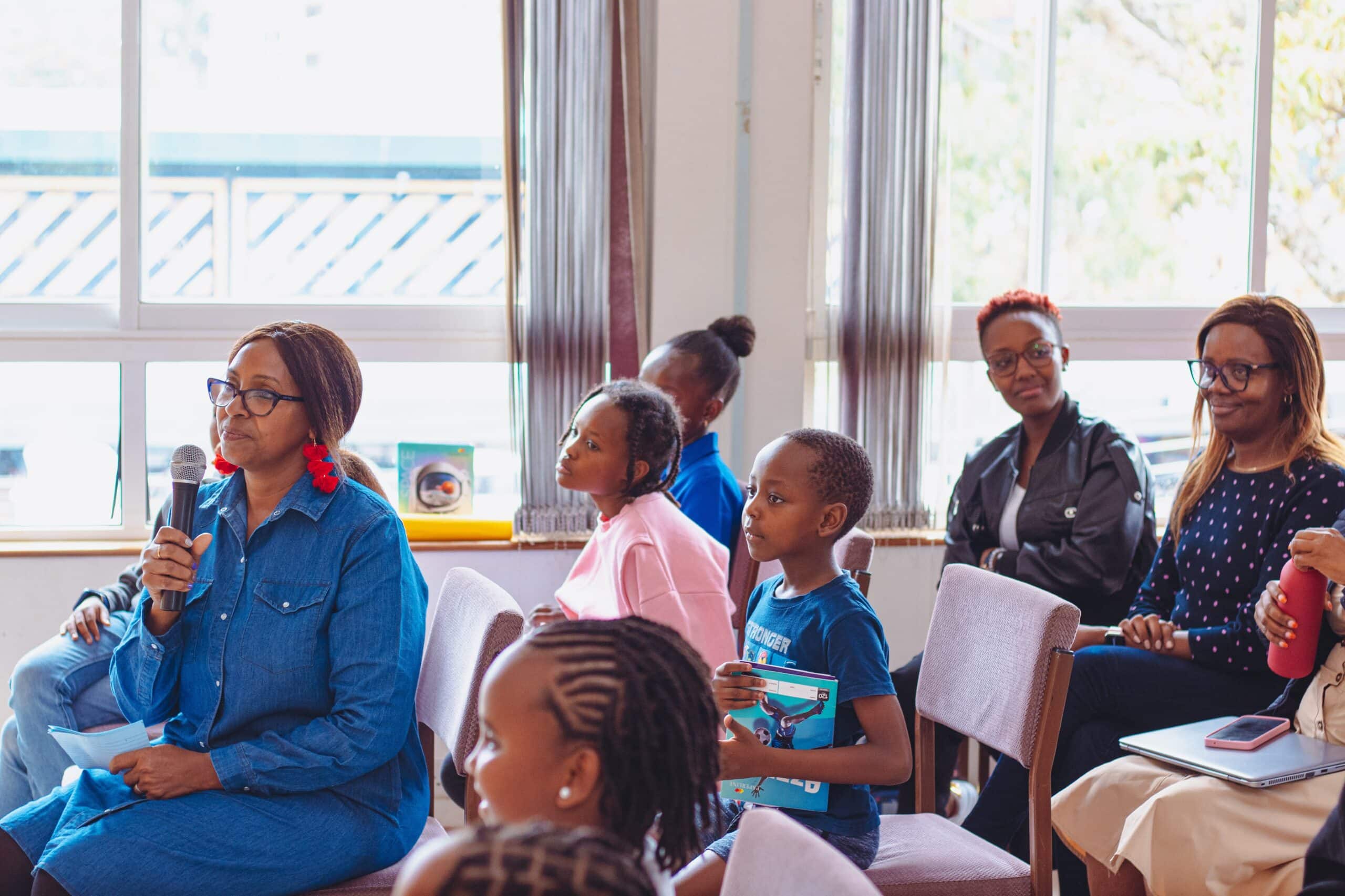
When should a family look for extra support?
Look for extra support when your child’s feelings regularly stop them from going to school, sleeping, eating or keeping friends, or when a hard patch lasts for weeks. Coaching helps children practice emotional skills, and it works alongside mental health care, never in place of it. If your child seems very low, very anxious, withdrawn for a long time, or talks about harming themselves, speak to a doctor or counselor first.
Frequently asked questions about emotional intelligence in children
What is emotional intelligence in children?
Emotional intelligence in children is the ability to recognize, understand and manage their own feelings and to understand the feelings of others. It helps children make friends, handle disappointment and keep going when school gets hard.
Can emotional intelligence be taught to children?
Emotional intelligence can be taught to children through regular practice at home and at school. A review of 213 school programs found that social and emotional learning improved children’s skills, behavior and academic results.
My child seems mature already. Do they still need help with emotional intelligence?
A child who seems mature can still benefit from practicing emotional intelligence, because maturity and emotional skill are different things. A calm child may still find it hard to stay steady under pressure or to work through a conflict.
Is emotional intelligence different for boys and girls?
Emotional intelligence involves the same skills for boys and girls: self-awareness, self-control, empathy, social skills and motivation. Boys often need more open permission to show sadness and fear, because many grow up hearing that they should hide them.
What is the difference between emotional intelligence coaching and mental health support?
Emotional intelligence coaching helps children practice everyday emotional and social skills, while mental health support treats specific difficulties with a trained professional. The two can work together, and a child who seems very low or anxious should see a doctor or counselor.