Ages 10 to 18 · Junior and Senior · One scholar or a team of three · Nairobi

World Scholar's Cup Coaching in Nairobi

We prepare scholars for all four World Scholar's Cup events: debate, writing, the Scholar's Challenge and the Scholar's Bowl. With coaching built on this season's theme, “Are We There Yet?”, your child learns to argue either side with confidence, write a piece that sounds like them, and work well with their team.

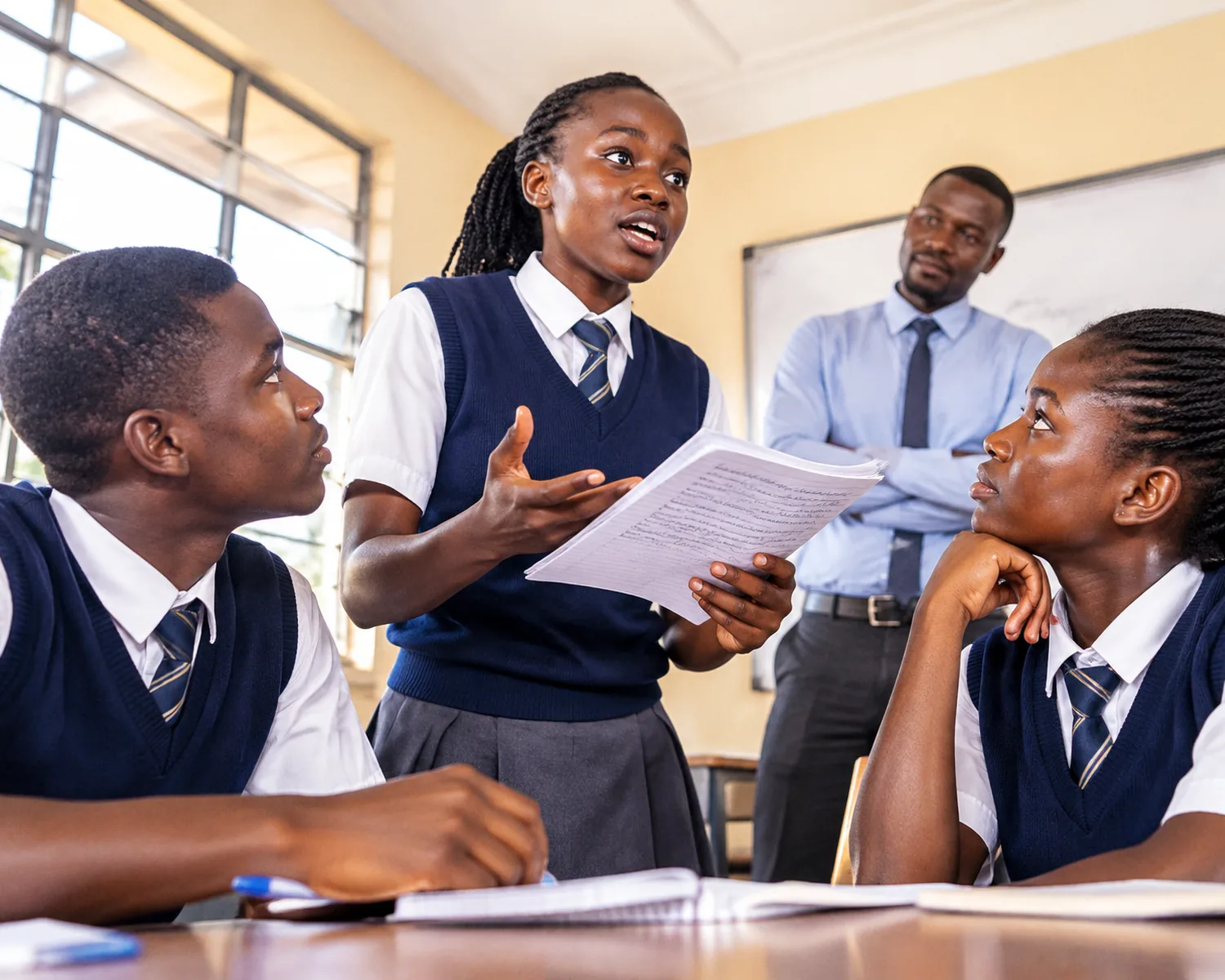
A teenage scholar making her debate argument from handwritten notes while her two teammates and their coach listen
What it is
Coaching for the four World Scholar's Cup events: Team Debate, Collaborative Writing, the Scholar's Challenge and the Scholar's Bowl
Who it is for
Junior scholars (up to 13) and Senior scholars (14 and older, until the last year of school), on their own or as a team of three
Where
At the Sprout centre in Kilimani, at your home, or at a teammate's home in Nairobi
Format
Eight coached sessions of 90 minutes, including a full mock round, plus about 2 hours of home study a week on SproutHub
The theme
This season's theme, “Are We There Yet?”, with a Sprout study pack written from the official Guiding Questions
Who leads it
Sprout coaches, using the Sprout Model for delivery, structure and personal style
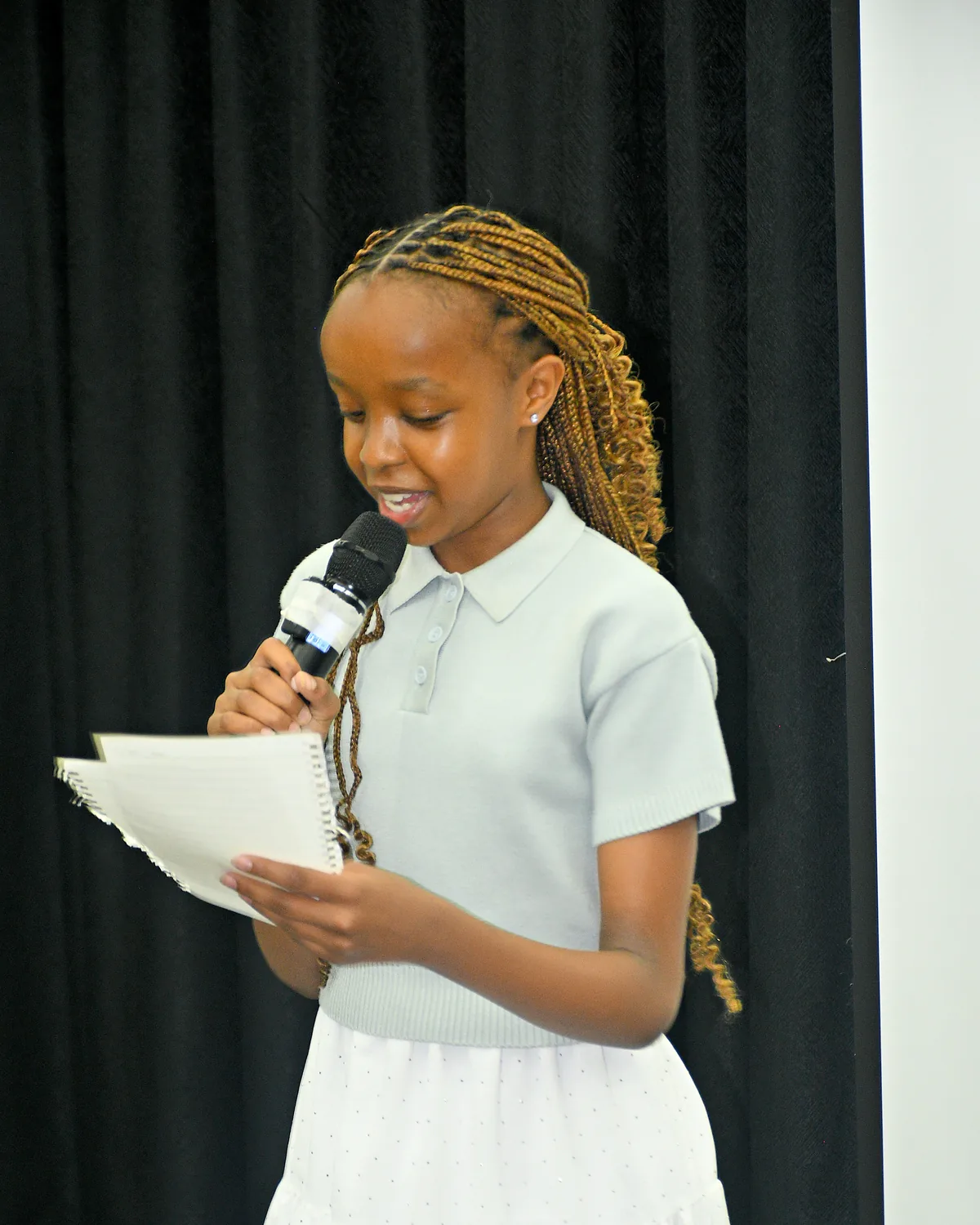
A Sprout girl reading from her notes as she makes her case to an audience, with confidence

What is the World Scholar's Cup, and why is it worth your child's time?

The World Scholar's Cup is an international academic competition for teams of three. The organizers call it a celebration of learning. Each season has one theme, and scholars explore it through history, science and technology, social studies, art and music, literature and media, and a special area.

Scholars do not only sit a test. They debate, write, quiz as a team and give each other feedback. Along the way they practice speaking up in front of people they have just met, thinking on their feet and working as a team.

Rounds are run by the World Scholar's Cup itself, and its study materials are free. In Nairobi, regional rounds usually take place between February and April. Strong teams can go on to a Global Round and to the Tournament of Champions at Yale University.

What happens in each of the four events?

Every scholar takes part in all four events. Here is how each one works, and what your child gets ready to do in it.

Team Debate

Each team debates three times, on motions from across the subjects. The team has 15 minutes to plan together, then each speaker has up to 4 minutes. No devices are allowed, so everything comes from what scholars remember. Afterwards, each team gives the other constructive feedback.

Your child gets ready to: make a clear case, respond to the other team and speak with presence, in the areas judges score: Presentation, Strategy, Content, Teamwork and Feedback.

Collaborative Writing

The team receives three or four prompts, some creative and some persuasive. Each scholar writes a different one. The team plans together without devices, each scholar writes alone, and then they review each other's work.

Your child gets ready to: plan with the team, write a strong piece alone and help each other improve it, in the areas judges score: Clarity, Content, Style and Originality.

Scholar's Challenge

An individual multiple-choice test across the subjects, with medals for each subject. Scholars may mark more than one answer, but the fewer they mark, the more points a right answer earns.

Your child gets ready to: answer across all the subjects with a calm, steady pace.

Scholar's Bowl

Every team sits in one hall with a clicker. Questions get harder as they go, and some use poems, music or film clips. Teams discuss quickly and click before time runs out.

Your child gets ready to: think quickly as a team and enjoy questions about art, music and film as much as facts.

Event details are from the World Scholar's Cup Team Events page.

Does my child need debate experience?

No. The World Scholar's Cup says two thirds of its scholars have never debated before, and over half are learning English as an additional language. The competition is designed for newcomers as well as experienced debaters.

Debate judges are asked to listen for clear thinking and good arguments. Our coaching starts from where your child is today, and builds structure, calm delivery and teamwork step by step.

"You are listening for fluent arguments, not fluent English."From the World Scholar's Cup guidelines for debate judges

  • VoiceSpeaking clearly, varying your tone and standing with presence. This is what judges score as Presentation in debate.
  • WordsOrganizing an argument, choosing the right evidence and answering the other side. This feeds debate Strategy and Content, and Clarity and Content in writing.
  • NaturalnessSounding like yourself. It gives writing its Style and Originality, and keeps your child calm and at ease in every event.

How does the coaching prepare my child?

The coaching has eight sessions of 90 minutes, built around this season's theme. It moves through three stages, so each scholar arrives at the round knowing what to expect and how to play their part.

  1. Understand the competition and the theme

    Your child learns how each event works and how judges score it, and how to study the theme with their team so that ideas connect across subjects.

  2. Practice every event

    Debates, timed writing, practice quizzes and Bowl rounds, with feedback from the coach after each one. Scholars practice the way the rounds run, with no devices.

  3. Rehearse the day

    A full mock round of all four events, scored the way the judges score. Then focused practice on what it showed, and how to stay calm and recover after a hard moment.

By the round, your child will be able to:

  • Speak clearly and with presence for up to 4 minutes, from short notes
  • Plan a debate case with their team in 15 minutes, without devices
  • Answer the other team's points and give helpful feedback
  • Write a clear, original piece on a creative or persuasive prompt
  • Decide how many answers to mark on the Challenge
  • Work with their team under time pressure in the Bowl

Parents receive a progress update halfway through and a Competition Readiness Report at the end.

What does my child do between sessions?

Strong teams keep studying steadily between coaching sessions. Our weekly home plan asks for about 2 hours a week, and teams that practice more usually feel more ready.

The weekly home plan

About 2 hours, on SproutHub
  • Study one section of the Guiding Questions, and add what you learn to the knowledge bank.
  • Record a short practice speech and upload it.
  • Write one timed piece, or take a short practice quiz.

The season pack

Written for each year's theme

This season's theme is “Are We There Yet?”. It asks about journeys, progress and what it means to arrive.

Our season pack is built on the official Guiding Questions, with practice motions, writing prompts and quiz questions. When the World Scholar's Cup releases a new theme, the pack and the coaching move to it.

Feedback and progress

Kept on your child's record
  • Coaches give feedback on speeches and writing on SproutHub.
  • Practice quiz results show how each scholar is growing across the subjects.
  • Parents can follow the work and the feedback as the weeks go by.

Should my child join on their own or as a team?

The World Scholar's Cup is built around teams of three, so we recommend coaching as a team of three when you can.

  • Teams of two may compete, but the World Scholar's Cup limits them to 30,000 of the 40,000 possible points, so team awards are very hard to win.
  • Teammates can come from different schools and different families.
  • The three scholars in a team should be in the same division, Junior or Senior.
  • One parent can register the whole team. One family can pay for everyone, or the fee can be split so each family pays its own share.
  • A scholar on their own gets the same eight sessions. The World Scholar's Cup also lets single scholars ask to be placed with others.
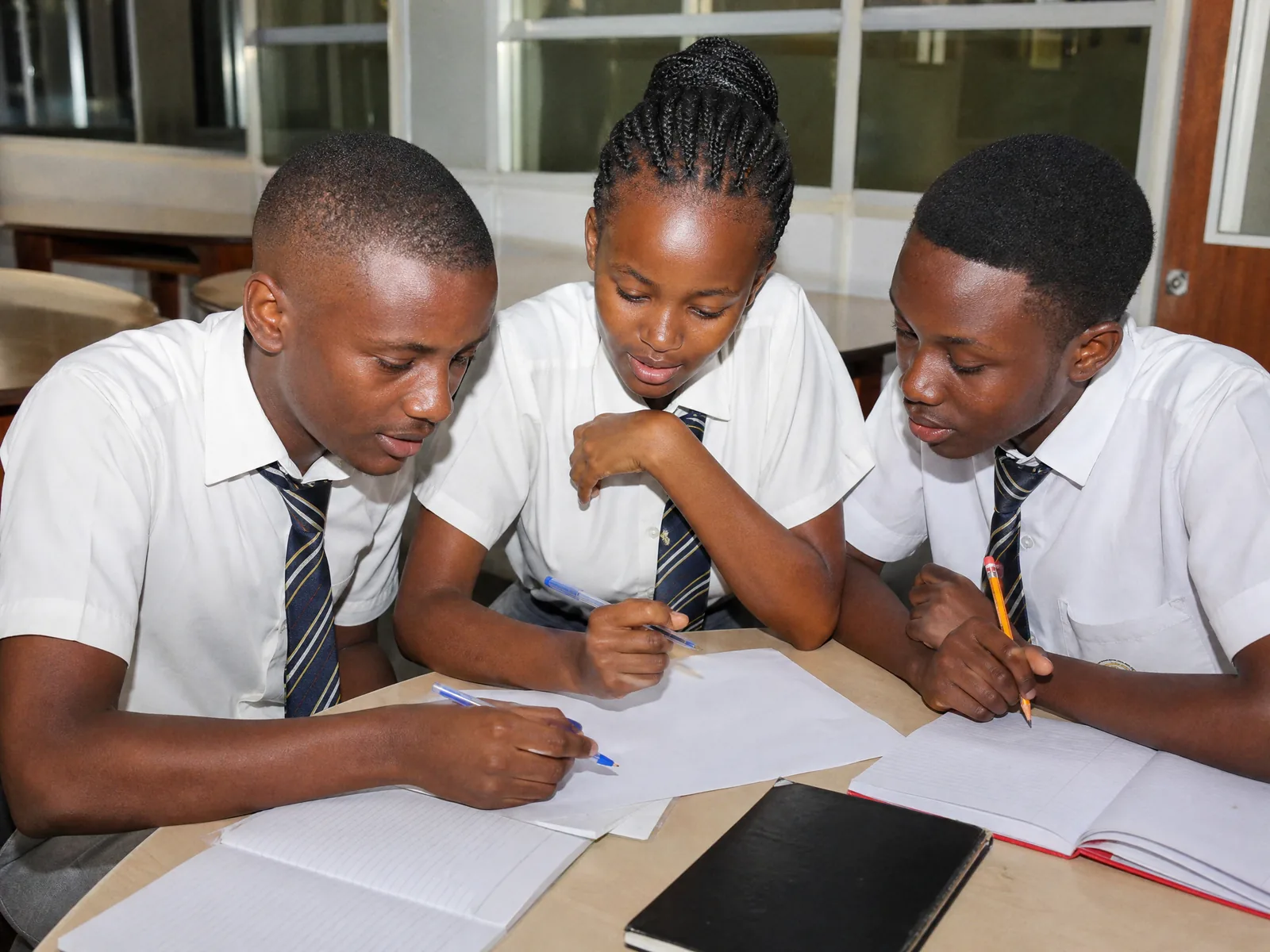
Three teenage scholars planning their writing together on paper, with no devices

When should we start, and where can the competition lead?

The best time to start is 8 to 10 weeks before the round your team has chosen. For the Nairobi rounds, that usually means starting in December or January.

  1. 8 to 10 weeks before

    Coaching starts

    The eight sessions and the weekly home plan, scheduled back from your round's date.

  2. Usually February to April

    A Nairobi regional round

    Each team takes part in one regional round per season. Dates are posted on the World Scholar's Cup calendar.

  3. June to August

    Global Rounds

    Teams that qualify at a regional round can choose a Global Round to attend.

  4. November

    Tournament of Champions

    Held at Yale University for teams that qualify at a Global Round. Scholars must be at least 13 years old.

Who does what

Sprout coaches your scholars. The World Scholar's Cup runs the rounds, handles round registration and charges its own tournament fee, which is separate from our coaching fee. If you would like help with registering for a round, forming a team, or support beyond the regional round, ask us and we will talk it through with you.

See the World Scholar's Cup calendar for round dates.

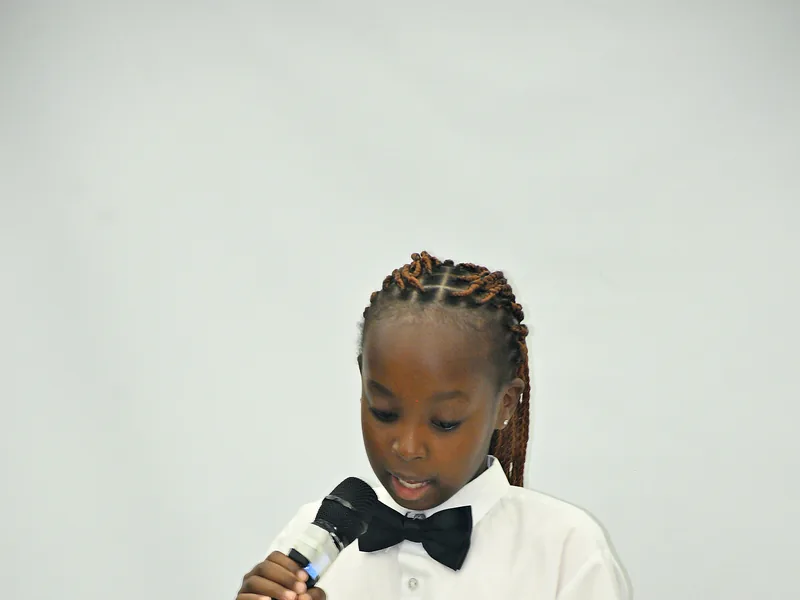
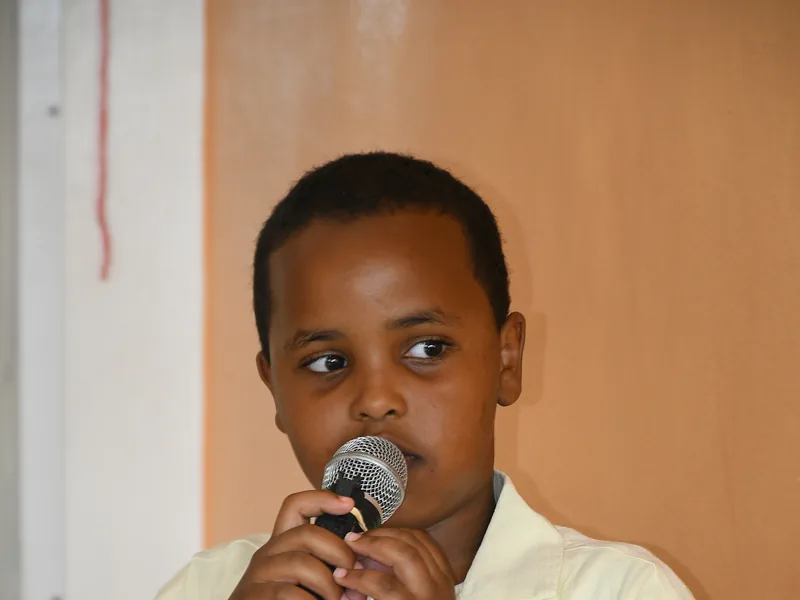
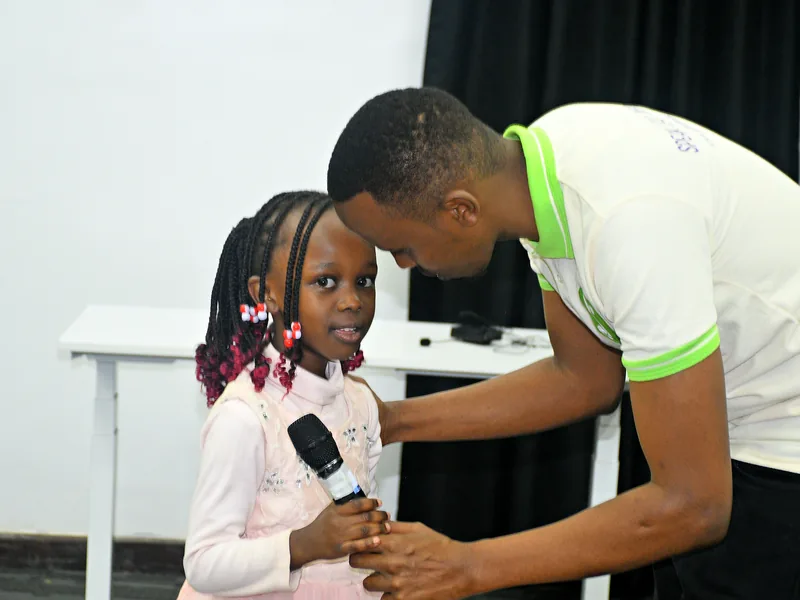
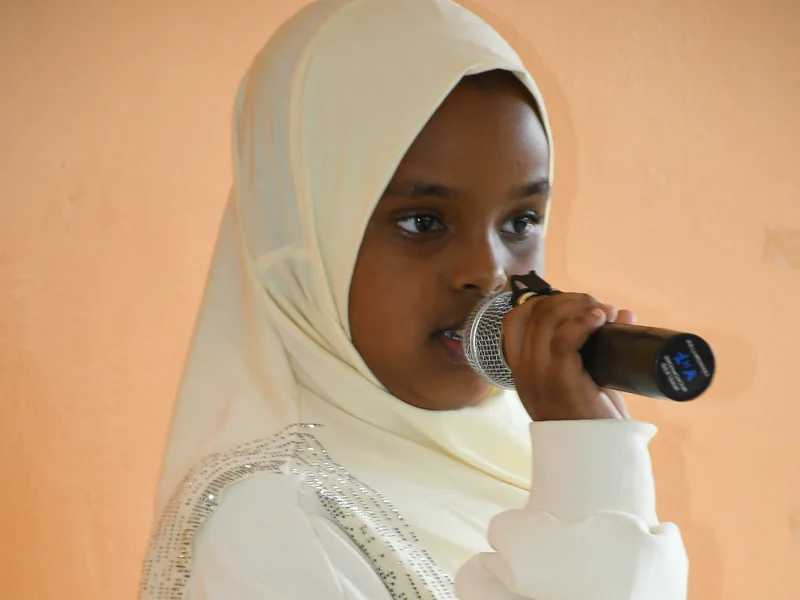
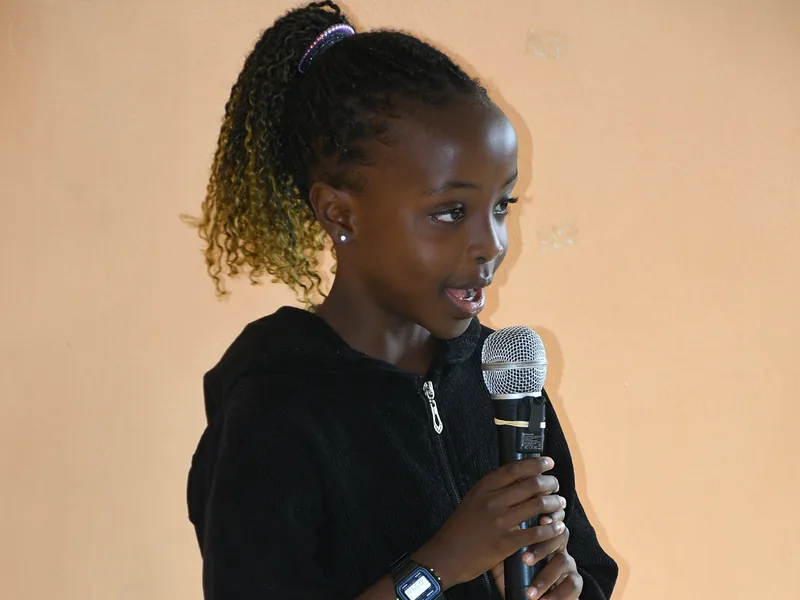
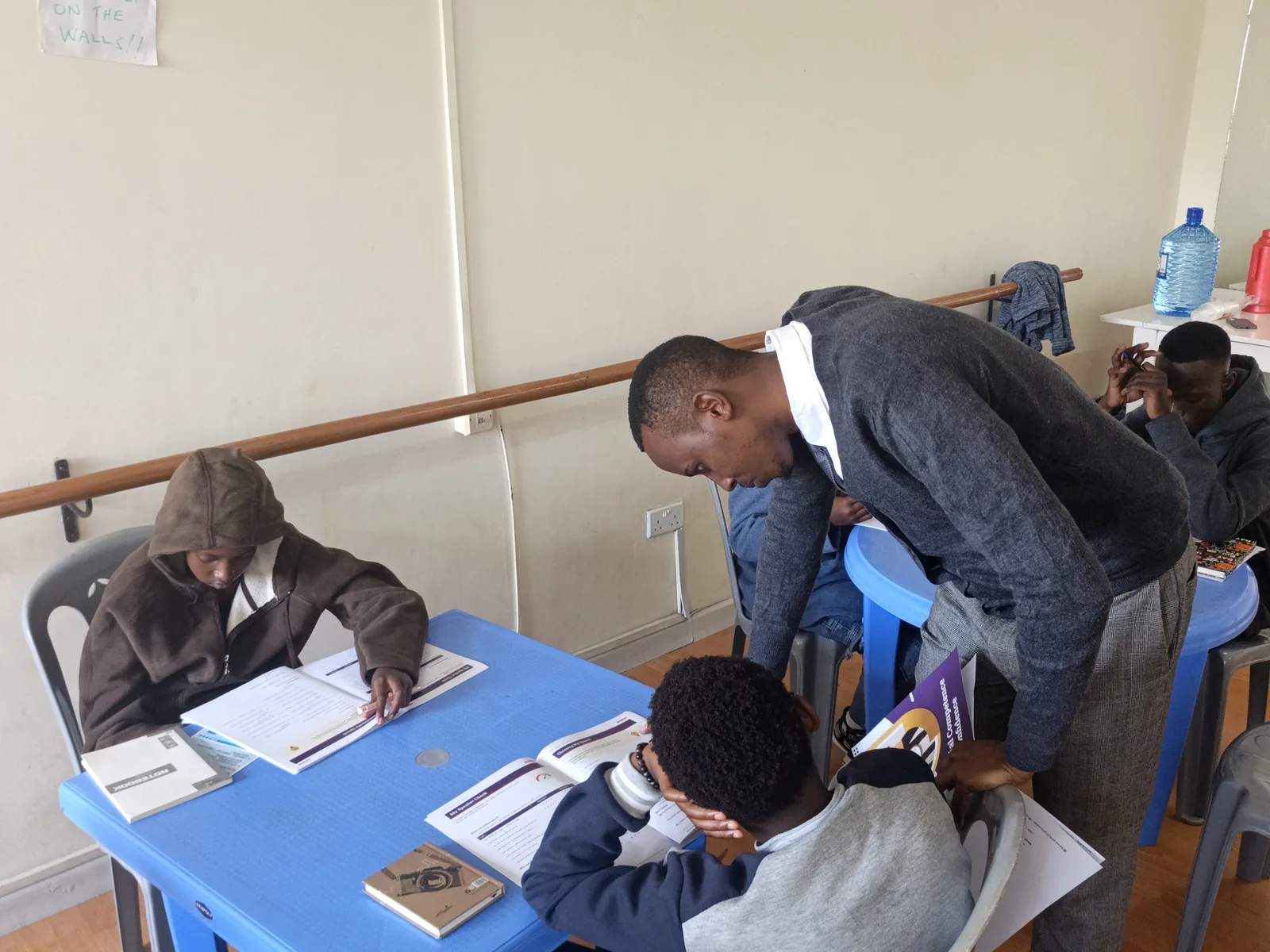
These are children and teens from our programs, practicing with their coaches and speaking to audiences at the Sprout centre.

Coach Gikuyu Muchai explaining an exercise to students at a table

How do we get started?

  1. Register online

    Choose one scholar or a team, the place for sessions, and each scholar's school and division. You can add teammates now, or send their parents a team link later. A first payment holds the place.

  2. We plan the sessions with you

    Our team calls you to agree the coach, the days and times, and a schedule that works back from your round. If a home is far from our centre in Kilimani, we tell you about any transport charge first.

  3. Coaching begins

    Each scholar receives their workbook and a SproutHub account, and the first week's home plan is ready.

What does World Scholar's Cup coaching cost?

One fee covers all eight sessions, for one scholar or for a whole team. A team of two or three pays the same team fee.

Included for every scholar
  • Eight coached sessions, including a full mock round
  • A Junior or Senior workbook
  • The season pack for the current theme
  • A SproutHub account with the weekly home plan and feedback
  • A progress update and a Competition Readiness Report for parents

Questions parents ask

Still unsure? Call +254 795 756 688

Does Sprout run the World Scholar's Cup rounds?

No. The World Scholar's Cup runs every round and handles round registration. Sprout coaches scholars to take part in all four events. The tournament fee for a round is paid to the World Scholar's Cup and is separate from our coaching fee.

Which division will my child be in?

The Junior division is for scholars up to 13, and most are at least 10. The Senior division is for scholars who are 14 or older on 1 January of the season, up to their last year of school. Each scholar gets the workbook for their division.

Does my child need debate experience?

No. Two thirds of World Scholar's Cup scholars have never debated before. Our coaching starts from the basics and builds structure, delivery and teamwork step by step.

Which theme does the coaching use?

This season's theme, “Are We There Yet?”. Our season pack is built on its official Guiding Questions. When the World Scholar's Cup releases a new theme, usually around the turn of the year, the pack and the coaching move to it.

Where do the sessions take place?

At the Sprout centre in Kilimani, at your home, or at the home of one of the teammates in Nairobi. If a home is far from our centre, we agree any transport charge with you first.

How much home study does it take?

Our weekly home plan takes about 2 hours, shared out on SproutHub. Scholars who practice more between sessions usually feel more ready on the day.

Can a team pay as separate families?

Yes. One parent registers the team, and either pays for everyone or splits the fee so each family pays its own share through its own payment link.

When should we start?

About 8 to 10 weeks before your round. Nairobi regional rounds usually take place between February and April, so most teams start in December or January.

How do I pay?

A first payment holds the place and counts toward the fee. You can pay the rest in one go or in parts before the sessions finish, by card or M-Pesa.

What if we cannot continue part-way through?

We do not give refunds, but money you have paid carries over to later sessions of the same program.

Would you like to talk it through first?

Tell us your child's age, their school and the round you have in mind, and a coach will help you plan. For year-round public speaking, see our weekly public speaking classes and home coaching.

Loading the latest dates and places…

This website stores cookies on your computer. Cookie Policy