

The "Sephora Kids" Phenomenon: What African Parents Need to Know and Do
Imagine your ten-year-old asking for a "retinol serum" for her birthday. Or your twelve-year-old son watching a thirty-minute "get ready with me" skincare video before school. For many African parents today, these moments are no longer hypothetical.
Welcome to the world of Sephora Kids : a global trend that has quietly arrived on African shores, carried by the same social media currents that shape how our children see themselves and the world around them. Understanding this phenomenon is the first step toward protecting your child.
What Exactly Are "Sephora Kids"?
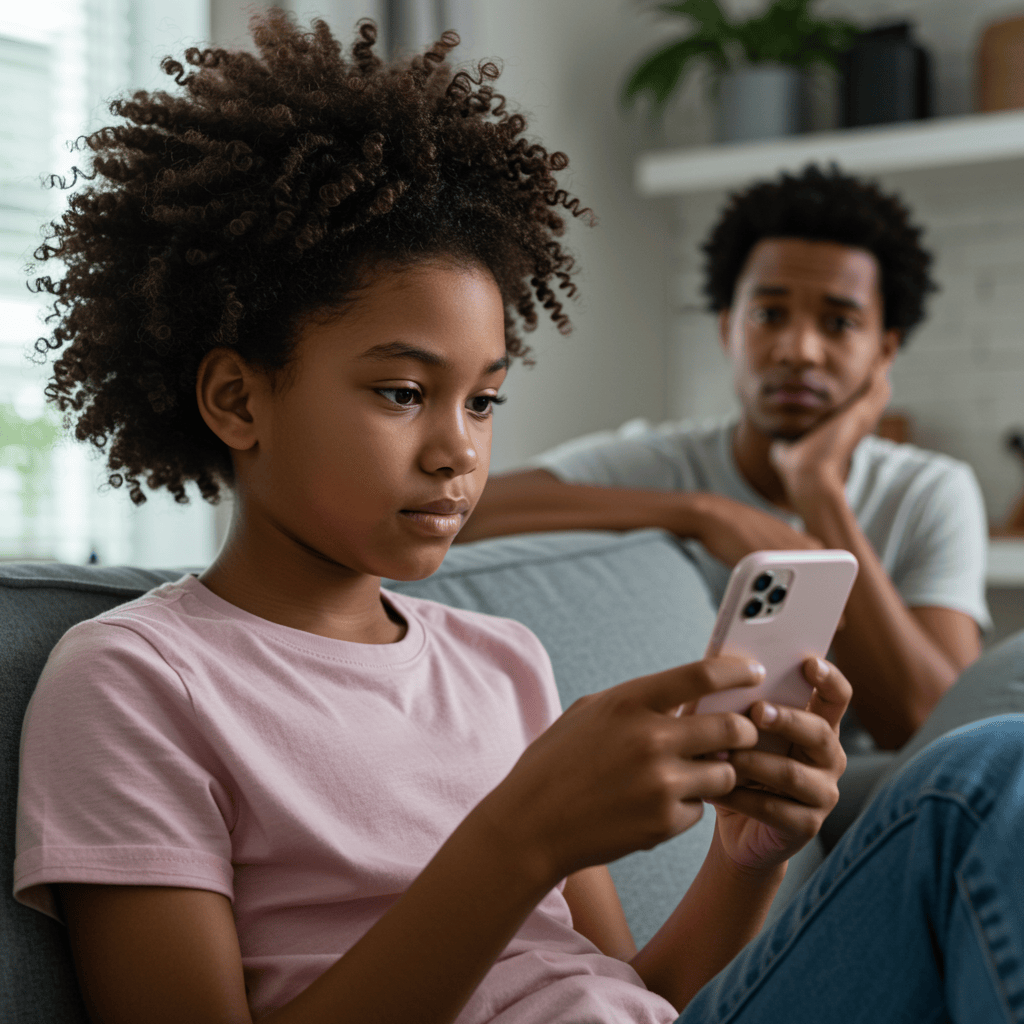
The term "Sephora Kids" emerged in early 2024 to describe a growing cohort of children - some as young as eight years old - who have developed an intense interest in adult skincare and beauty products. Named after the global luxury beauty retailer, these young consumers flock to beauty stores and online platforms in Kenya, Nigeria, Ghana, South Africa, and across Africa, purchasing items designed for adult skin concerns.
These products include anti-aging serums and retinol creams, glycolic acid exfoliants, vitamin C brightening treatments, and expensive multi-step moisturizing routines. None of these products were designed for children's skin, and most have not been tested on developing skin at all. Yet our children want them, and in many cases, are getting them.
The trend began in the United States but has spread rapidly across the UK, Canada, Australia, and is now gaining significant momentum in urban centres across Africa, particularly in Nairobi, Lagos, Accra, and Johannesburg.
Key Insight: The Sephora Kids trend isn't just about beauty products - it's about how social media algorithms shape children's self-perception before they've even formed a stable sense of identity.
Why the Sephora Kids Trend Is Growing in Africa
Africa's youth demographic is the youngest and fastest-growing in the world, with 60% of the population under 25. While the economic and social context differs vastly from the West, the digital influences our children are exposed to are largely the same. The Sephora Kids phenomenon has particular resonance across Africa for several interconnected reasons.
Social Media Exposure Is Exceptionally High
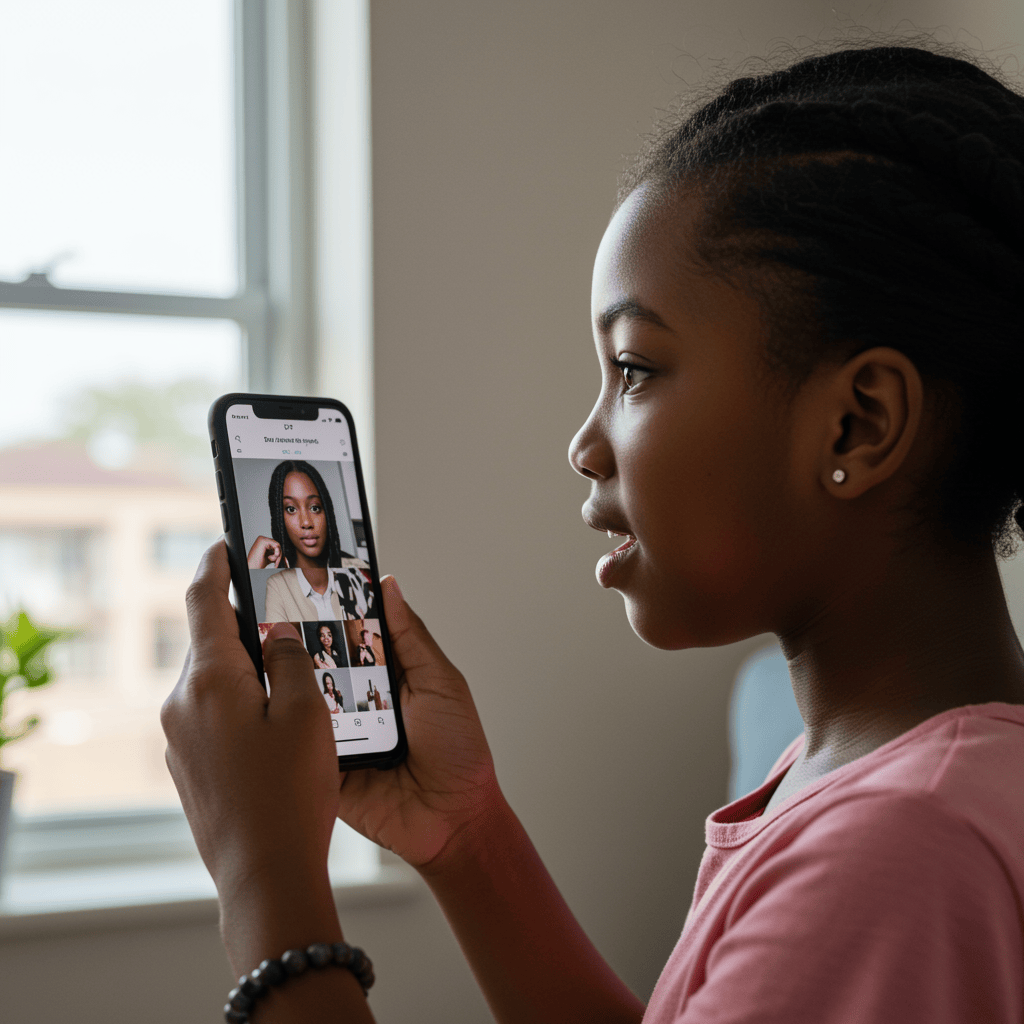
African youth aged 13 to 30 are among the heaviest social media users globally. In countries like Nigeria, Kenya, Ghana, and South Africa, young people spend over three hours daily on social media platforms - more than the global average. Algorithms feed them beauty content relentlessly: unboxing videos, skincare tutorials, "get ready with me" reels, and influencer reviews.
A Deep Cultural Shift Is Underway
Traditionally, African cultures have emphasized communal values, collective identity, and inner character over outward appearance. However, digital media is creating what researchers describe as "individualized information systems," pulling focus toward personal image and individual expression. This represents a significant departure from the community-centered values many African parents grew up with.
Economic Pressure Creates Family Tension
Unlike in the West where these products are more accessible, many African families face genuine economic strain. A single luxury moisturizer can cost more than a week's groceries in Kenya or Nigeria. When children's desire for imported beauty products collides with tight family budgets, it creates tension that parents must navigate with both wisdom and sensitivity.
Identity Formation Is at Stake
Perhaps most uniquely for African children, the beauty standards being promoted online are overwhelmingly Western. Lighter skin tones, Eurocentric features, and aesthetics alien to African beauty ideals dominate their feeds. This creates a real risk of identity confusion - our children may begin to feel that their natural features need "fixing."
Building Confidence Beyond Appearance
we help African children build authentic confidence rooted in character, competence, and cultural pride - not in consumption or comparison. Our programs give young people the tools to navigate today's digital world with wisdom.
Complete Kids Public Speaking CourseThe Risks of Skincare for Children: What Research Tells Us
Physical Health Risks
Dermatologists across Africa and globally are raising the alarm. According to the International League of Dermatological Societies, children's skin is fundamentally different from adult skin - it is thinner, more sensitive, and still developing. Using adult-formulated products poses serious risks including chemical burns from active ingredients like retinol, AHAs, and BHAs, allergic reactions and contact dermatitis, premature acne caused by clogged pores, increased UV sensitivity leading to sun damage, and long-term disruption of the skin barrier.
⚠️ Important: Most high-potency skincare products carry no pediatric safety data. The long-term effects of exposing developing skin to retinoids and acids remain entirely unknown.
Psychological and Emotional Impact
Beyond physical harm, dermatologists and child psychologists warn of deeper consequences. Research from Cornell University's Institute for Research on Children documents early body image distortion, with children as young as eight becoming acutely aware of perceived "flaws."
Additional concerns include unrealistic beauty standards (80% of girls have edited or filtered photos of themselves before age 13 according to Dove's Self-Esteem Project research), social comparison anxiety from constant exposure to curated images, "cosmeticorexia" (obsessive-compulsive relationships with cosmetics that mirror addictive behavior patterns), and loss of childhood as the rush to adopt adult concerns robs children of critical developmental freedom.
Cultural Identity Erosion
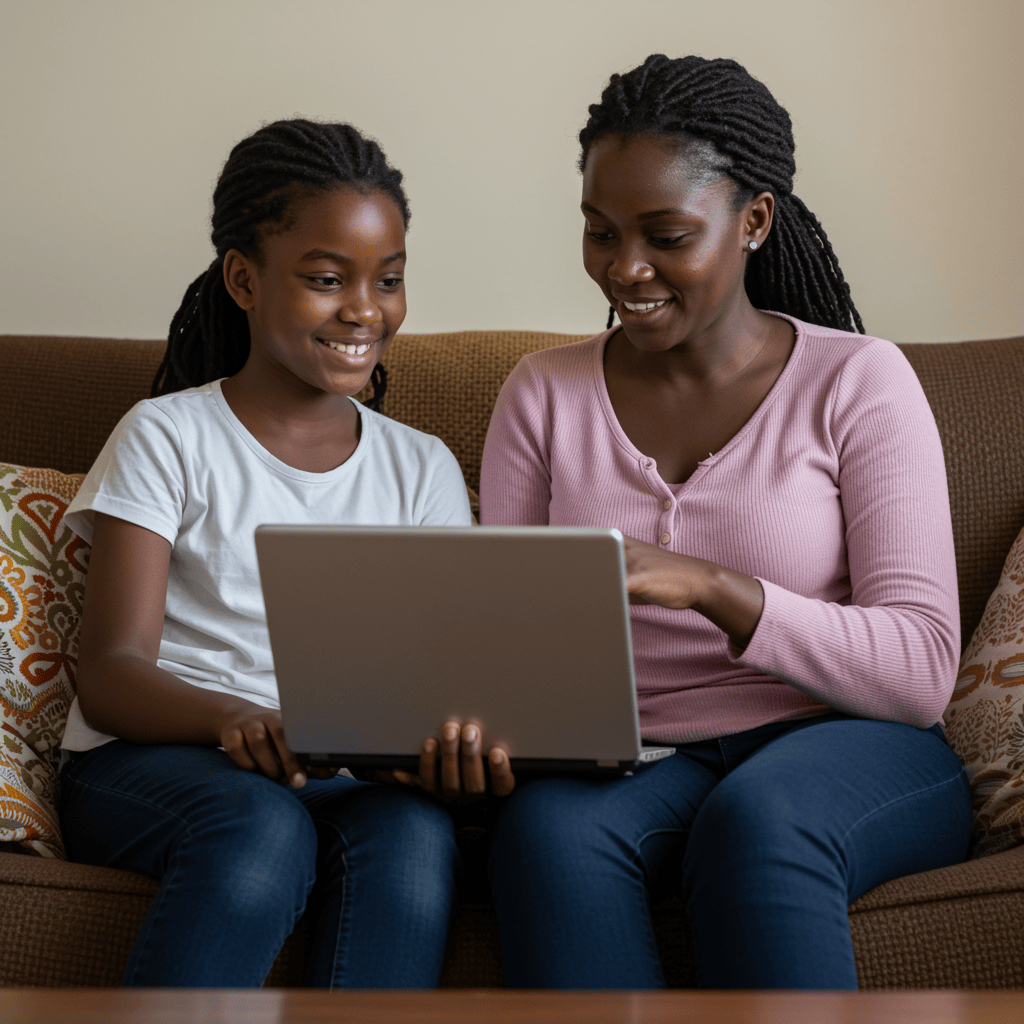
For African children specifically, there is an added layer of harm. When the beauty ideals being promoted online consistently exclude or diminish African features, children may internalize harmful beliefs about their own appearance, heritage, and worth. Strong cultural identity is one of the greatest protective factors for young people's mental health - we must guard it deliberately.
What Parents Can Do: A Practical Guide
You do not need to panic. You do not need to ban every beauty product or become the enemy of self-care. What you need is a clear, confident strategy that works in the African context.
1. Open the Conversation - Don't Shut It Down
Your child's interest in their appearance is not inherently wrong. Curiosity about beauty and self-presentation is a normal part of growing up. The goal is to redirect and inform, not dismiss. Try asking questions like "What made you interested in this product? Where did you hear about it?" or "How do you feel when you see those videos? Do they make you feel good about yourself?"
2. Teach the Science of Young Skin
Children respond well to facts. Help yours understand that young, healthy skin is genuinely remarkable - it doesn't need anti-aging intervention. For preteens and teens, the only skincare essentials are gentle cleansing using natural options like raw honey or mild herbal infusions (such as chamomile or neem), light moisture from natural oils like coconut oil, shea butter, or aloe vera gel used sparingly, and protection from harsh sun through shade, protective clothing, and simple mineral-based or naturally derived sun protection.
Anything beyond this is adult territory - and can actually cause the skin problems these products claim to prevent.
💡 Quick Tip: Explain to your child that retinol and glycolic acid are designed to speed up skin cell turnover — something young skin already does perfectly on its own. Using these products can actually damage healthy, developing skin.
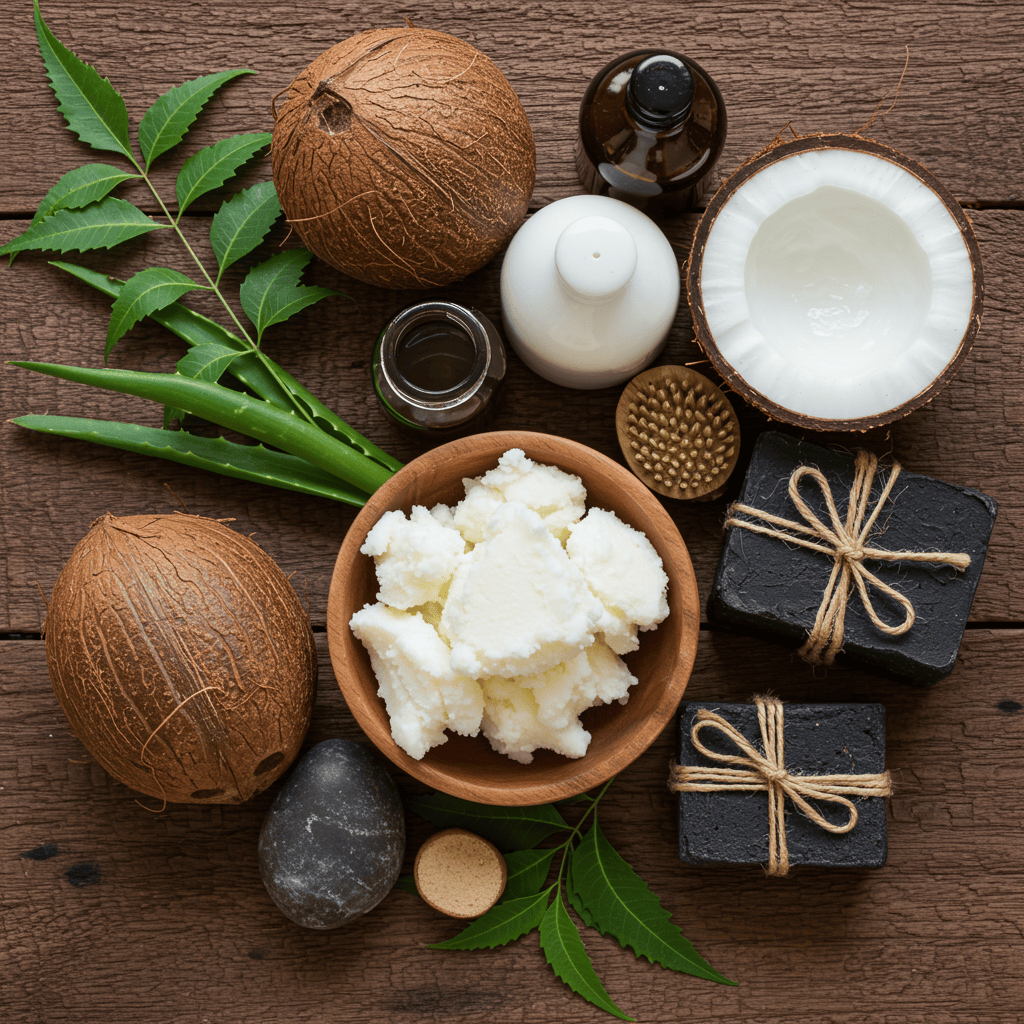
Beautiful arrangement of traditional African beauty products: raw shea butter in wooden bowl, coconut oil, African black soap, aloe vera plant, neem leaves.
3. Set Clear, Confident Limits
Boundaries are a form of love. You can involve your child in decisions while still maintaining authority by setting realistic budgets for age-appropriate products, establishing clear guidelines on daily social media time, practicing saying "no" without guilt (it's parenting, not punishment), and revisiting the conversation regularly as they grow.
4. Leverage Africa's Rich Beauty Heritage
This is perhaps the most powerful tool available to African parents, and it is entirely free. Africa has centuries of beauty wisdom that requires no imported chemicals. Introduce traditions like shea butter (a deeply nourishing, child-safe moisturizer with natural SPF properties), African black soap (gentle, natural, and effective for young skin), aloe vera (soothing, hydrating, and widely available), and coconut and argan oils (traditional hair and skin care with no harmful additives).
When your child learns that their grandmother's beauty rituals are rooted in wisdom - not just habit - it builds cultural identity and saves money.
5. Build Critical Media Literacy
Teach your children to interrogate what they see online. Help them ask questions like: How is the influencer being paid? What do #ad and #sponsored mean? Is the before-and-after image filtered or edited? Why would a 25-year-old influencer recommend anti-aging products to a 10-year-old? What is the brand's actual interest in reaching children?
Children who can think critically about advertising are more resistant to it.
6. Model the Relationship With Appearance You Want Them to Have
Your children are watching you more than they are watching their phones. If they see you obsessing over your own appearance, they will learn that behaviour. If they see you celebrating diverse beauty, embracing natural features, and investing in inner growth, they will learn that too.
7. Build Confidence From the Inside Out
At Sprouts, we believe that the most durable protection against the Sephora Kids phenomenon is authentic, earned confidence. Children who have a strong sense of identity, purpose, and competence are far less vulnerable to external validation- seeking through products. Invest in skills (music, sport, coding, art, cooking, entrepreneurship), community involvement and service, emotional intelligence and communication skills, leadership and goal-setting, and cultural pride and connection to African heritage.
FAQs About Kids and Skincare
Is skincare safe for kids?
Basic skincare using gentle, natural products is safe for children. However, adult skincare products containing active ingredients like retinol, glycolic acid, and vitamin C serums are not safe for children's developing skin. Young skin is thinner and more sensitive than adult skin, making it vulnerable to chemical burns, irritation, and long-term damage from products designed for mature skin.
At what age should a child start skincare in Kenya and across Africa?
Children don't need a "skincare routine" until puberty begins (typically ages 11-13), and even then, it should be minimal. Focus on gentle cleansing with natural products like raw honey or African black soap, light moisturizing with shea butter or coconut oil, and sun protection through shade and protective clothing. Save the complex routines for adulthood.
What products are safe for young skin?
Safe products for children include natural, single-ingredient items like raw shea butter, coconut oil, aloe vera gel, African black soap, raw honey (for gentle cleansing), and mild, naturally-derived sun protection. Avoid anything with retinol, AHAs, BHAs, chemical exfoliants, anti-aging ingredients, or strong fragrances.
How can I protect my child from the Sephora Kids trend in Nigeria?
Protect your child by opening honest conversations about beauty standards and social media, teaching them the science of young skin, setting clear limits on social media time and beauty product purchases, introducing traditional African beauty practices, building critical media literacy skills, and investing in confidence-building activities beyond appearance.
What are the risks of children using retinol or glycolic acid?
Retinol and glycolic acid can cause chemical burns, severe skin irritation, increased sun sensitivity, premature acne, long-term skin barrier damage, and allergic reactions in children. These products force rapid skin cell turnover, which young skin already does naturally. There is no pediatric safety data for most active skincare ingredients.
The African Advantage: Cultural Strengths That Protect Our Children
While the challenges are real, African youth have unique protective strengths that parents can deliberately activate:
Strong Community Bonds: Family, extended community, and faith traditions remain powerful anchors in many African households in Kenya, Nigeria, Ghana, and across the continent. These communal ties provide belonging that no beauty product can replicate.
Cultural Resilience: Research from international psychology journals consistently shows that young people with a strong cultural identity and genuine pride in their heritage show greater resistance to harmful social influences. Strengthening your child's sense of Africanness is not nostalgia - it is protective.
Entrepreneurial Mindset: Many African youth are naturally economically conscious. Use this strength to have frank conversations about consumer manipulation, wise spending, and the difference between self-care and self-worth.
Purpose-Driven Values: African youth consistently demonstrate a deep sense of social purpose and community responsibility. Channel this energy toward causes that matter, not toward consumption.
Questions for Reflection:
- How much time does your child spend on social media each day? Have you actually measured it?
- Have you noticed changes in how your child speaks about their appearance in the past year?
- What beauty messages are coming from their peer group and school environment?
- How connected do your children feel to African beauty ideals and cultural traditions?
- What personal development investments are you making that build confidence beyond appearance?
Moving Forward: Your Child's Worth Is Not Their Appearance
The Sephora Kids trend is a symptom of something larger: the commercialisation of childhood, the power of algorithm-driven media, and the global erosion of childhood innocence. But it is not an unstoppable force.
As African parents, we are not powerless. We sit at the intersection of rich cultural tradition, strong family bonds, and an increasingly connected world. Our task is not to wall our children off from that world, it is to send them into it equipped. Equipped with critical thinking. Equipped with cultural pride. Equipped with a confident sense of who they are beyond what they look like.
Remember: Your child's interest in beauty and self-care is not the enemy. What matters is helping them build a healthy, grounded relationship with their appearance, one rooted in self-respect, not in anxiety, comparison, or consumption.
At Sprouts, we work every day with preteens and teens across Africa to build exactly this kind of confident, emotionally intelligent, culturally grounded young person. We'd love to be part of your family's journey.
Enroll Your Child in Our Next Class
Our Complete Kids Public Speaking Course helps African children ages 6-17 develop genuine confidence rooted in character, competence, and cultural pride. Next cohort starts soon
Complete Kids Public Speaking Course See Online Options📚 Further Reading & Sources: