
Goal setting for preteens aged 11 to 14 is mostly about ownership: helping a child choose a goal, work toward it and adjust it, instead of handing them goals and hoping the motivation follows. This is also the age when children rebuild their sense of who they are, so they can seem quiet, changeable and closely tied to their friends. This guide lists ten situations parents of preteens often meet, and what helps in each one.
Key points
- Between 11 and 14, children take apart their younger identity and build a more grown-up one, so changing interests and moods are normal.
- A goal a preteen chooses brings their own effort; a goal set by a parent tends to stop the moment the pressure lifts.
- “I don’t know what I want” from a preteen is often a way of staying safe with friends, so ask again later, in private.
- Praising effort instead of cleverness helps children take on harder tasks and keep going after setbacks (Mueller and Dweck, 1998).
- A weekly check-in with three simple questions teaches a preteen to keep coming back to a goal, which matters more than any single achievement.

Why is goal setting for preteens aged 11 to 14 about ownership?
Goal setting for preteens aged 11 to 14 is about ownership because this is when a child either learns to set goals of their own or learns to go along with goals others set. Nobody plans it. A child goes quiet about what they want, a loving parent starts deciding for them, and after a few years the child believes goals are something adults hand down.
Guiding and controlling both come from love. Guiding means walking beside your child while they choose the direction: you ask questions, offer options and let them try and fail. Controlling means choosing the direction yourself and expecting your child to supply the enthusiasm. Guiding raises a child who can keep a goal without you standing over them.
10 ways to help your preteen own their goals
1. Get curious about who your child is becoming
Preteens who suddenly seem quiet, contradictory or bored with old interests are usually going through a normal change of identity. Loving something one week and dropping it the next is part of working out who they are.
A child who is still discovering themselves cannot yet commit to long-term goals like an adult. Give them freedom to try things without needing any of it to last.
Try this: instead of “How was school?”, ask “What’s something you’ve been thinking about lately?” and wait for the answer.
2. Ask for their opinion more than you give directions
Preteens push back against instructions because they are protecting their growing independence, so questions reach them better than orders. A child who is only told what to do never practices deciding.
Ask your preteen’s opinion on things that are not about them, such as a work problem, a family plan or the news, and treat the answer as worth hearing. Forming and stating an opinion is the same skill they will need to set a goal.
Try this: “I have to choose between two options at work. Want to hear them and tell me what you think?” Talks often go best in a car, on a walk or over a meal with no agenda.
3. Treat “I don’t know” as protection
When a preteen says “I don’t know what I want,” they often do know but feel it is risky to say. If their friends have not approved an interest, naming it out loud can feel exposing.
This is also where a parent can take over a goal without meaning to. If your daughter mentions photography once and you buy a camera and book a class by the weekend, the goal has become yours.
Try this: in a quiet moment, ask “Is there something you’re into that you haven’t told me about?” Respond with interest instead of a plan, and wait a few weeks before building anything around it.
4. Talk about the fear behind peer pressure
Preteens who change how they dress, talk and act to fit their group are usually afraid of being left out. At this age, being excluded can feel very dangerous, so most children choose the group.
Try this: ask, “What do you think would happen if you didn’t go along with it?” Offer three questions for pressure moments: “Does this feel like me? Would I be okay if my parents knew? Will I still feel good about it tomorrow?” Help your child belong in more than one place, such as a club, a sport or a faith community.
5. Make home a safe place for big ambitions
Many preteens hide what they care about from friends, because caring openly can look like trying too hard. The gap between who they are at home and who they are with friends is a way of protecting their place in the group.
Try this: keep what your child shares private unless they agree to you passing it on, and never joke about it. Where you can, connect them with other children who share the interest, through a club or program where caring is normal.
6. Separate who they are from their results
Children whose sense of worth is tied to grades often avoid anything they might not be good at. A poor mark then feels like a threat to who they are, and taking any risk feels unsafe.
After any result, ask about the process first: “How did you go about it? What did you learn?” Name qualities that have nothing to do with the mark.
Try this: “I noticed how long you stuck with that. That has nothing to do with the mark you got.”
7. Start every goal with your child’s own words
A goal that belongs to the parent has no engine inside the child. Preteens will comply with a parent’s goal because there are consequences, but they will not keep up the effort when nothing is personally at stake.
Try this: ask, “What’s something you’d love to be able to do or get better at, just for you?” Let your child think about it for a few days. Write the goal in their own words, let them choose where to keep it, and review it weekly with three questions: What progress did you make? What got in the way? What will you try differently?
If your son says he wants to get better at basketball, a controlling response is to book a camp and buy new shoes by the weekend. A guiding response is to ask, “What would getting better look like to you? What’s one small thing you could try this week?” and let him make the plan.
8. Change the words your family uses about difficulty
Preteens who give up as soon as something gets hard have often learned that struggling means they are not clever enough. In studies by psychologists Claudia Mueller and Carol Dweck (1998), fifth graders praised for being clever were more likely to choose easy problems and to give up after a setback than children praised for their effort. Dweck later called the belief that ability is fixed a “fixed mindset.”
Try this: say “This is hard, which means you’re learning.” Add the word “yet,” so “I can’t do this” becomes “I can’t do this yet.” Praise the attempt separately from the outcome.
9. Help your child know who they are apart from their friends
Between 11 and 14, friends become the main mirror a child uses to see themselves. A preteen who changes completely with each friend group usually has not yet built a strong sense of who they are alone.
Try this: ask, “If your friend group disappeared tomorrow, what would you still care about?” Plan one-on-one time with your child, such as a shared project or hobby. Avoid criticizing their friends directly, since it often pushes a child closer to them.
10. Repair the relationship if it has broken down
A strained relationship with a preteen is usually the result of a pattern, such as overreacting to things they shared or turning talks into evaluations. Repair at this age is possible, and most preteens want it, even if they would never say so.
Try this: “I think things have been hard between us, and some of that is on me. I’d like to change that.” Then ask, “Is there anything I do that makes it hard for you to talk to me?” and listen without defending yourself. Steady small moments over time count for more than one big gesture.
How does public speaking help preteens own their goals?
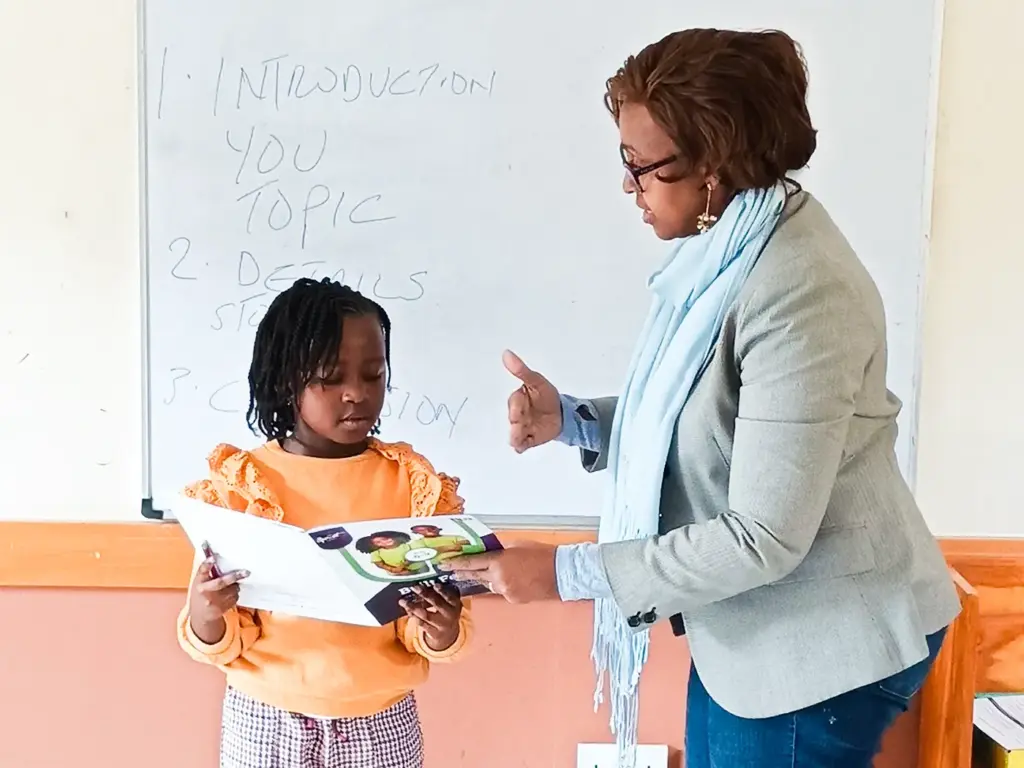
Public speaking helps preteens own their goals because it gives them regular, safe practice in saying what they think and want in front of others. In Sprout’s coaching experience, a preteen who has stood up and been listened to finds it easier to name a goal out loud and stick with it, even when friends are watching. This is practice-based, from Sprout’s work with children aged 6 to 17.
Sprout’s track for ages 10 to 13 is called Teen Titan, and ages 14 to 17 join Sprout Star. Children can attend the Saturday public speaking classes during term or the holiday program in school breaks. Fees depend on the program.
When should a family look for extra support?
Look for extra support when your preteen withdraws for months, the relationship has broken down and your own efforts are not helping, or they stop taking part in school and family life. Asking for outside help is a sensible step. If your child seems very low, is withdrawn for a long time, or talks about harming themselves, speak to a doctor or counselor first.
Frequently asked questions about goal setting for preteens aged 11 to 14
Why does my preteen say “I don’t know” when I ask what they want?
Preteens aged 11 to 14 often say “I don’t know” to protect themselves, because naming a want can feel risky if their friends have not approved it. Ask again in private, low-pressure moments, and respond with interest instead of a plan.
How do I get my preteen to own their goals instead of following mine?
You get a preteen to own their goals by letting them choose the goal, writing it in their own words and reviewing it weekly with three questions. Ask what they made progress on, what got in the way and what they will try differently.
Why does my preteen give up when something gets hard?
Preteens who give up when something gets hard have often learned that struggling means they are not clever enough. Praise effort instead of intelligence, use the word “yet,” and celebrate attempts separately from results.
How can I help my preteen handle peer pressure about their goals?
You can help a preteen handle peer pressure by talking about the fear of being left out that sits behind it. Give them simple questions to ask themselves in the moment, and help them belong to more than one group.
What programs does Sprout offer for children aged 11 to 14?
Sprout Life Skills offers public speaking and confidence coaching for children aged 11 to 14 in its Teen Titan (10 to 13) and Sprout Star (14 to 17) tracks, through Saturday classes, holiday programs and home coaching, in Nairobi and online. All the options are on the kids and teens programs page.