Read the situation
Notice expressions, tone, mood and personal boundaries. Understand what a setting or occasion calls for before reacting.
Kids holiday programs at Sprout combine social skills, good conduct and public speaking in one practical week. Children learn how to understand social situations, manage themselves and communicate with confidence.
Reserve with KES 500. Choose your location, age group and payment option on the next page.
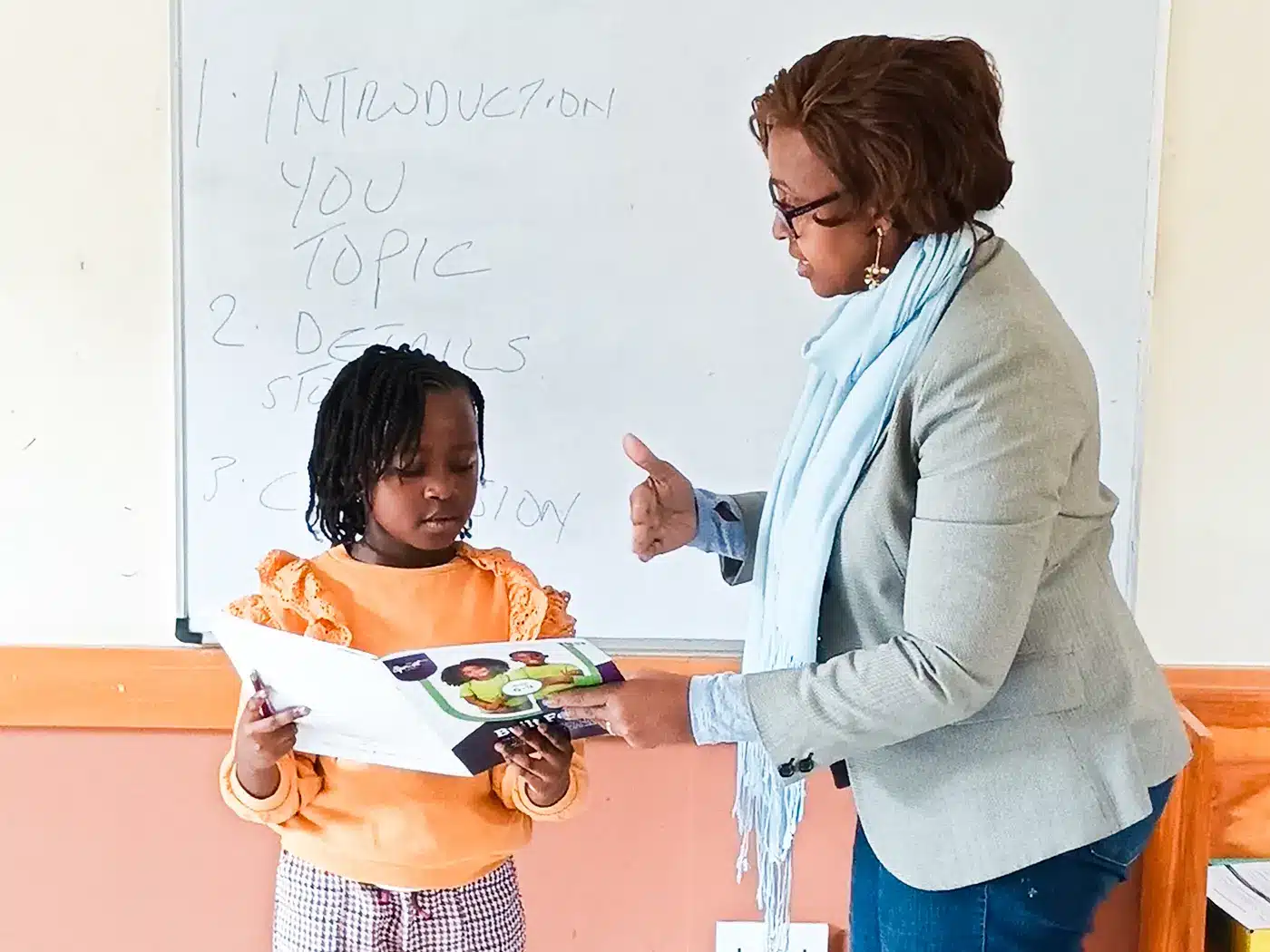
Parents look for holiday programs that help children use their time well and develop skills they can apply after the holiday. Some children need help speaking up. Others speak freely but have not yet learned how to listen, adjust or leave room for other people.
They know what they want to say, but freeze when unfamiliar people are around.
They have a lot to say, but do not always notice when someone else needs a turn.
They find correction, losing or disagreement harder to handle than you would like.
They struggle to join a group, make new friends or keep a conversation going.
They are not always sure how to greet, speak, dress or carry themselves in a new setting.
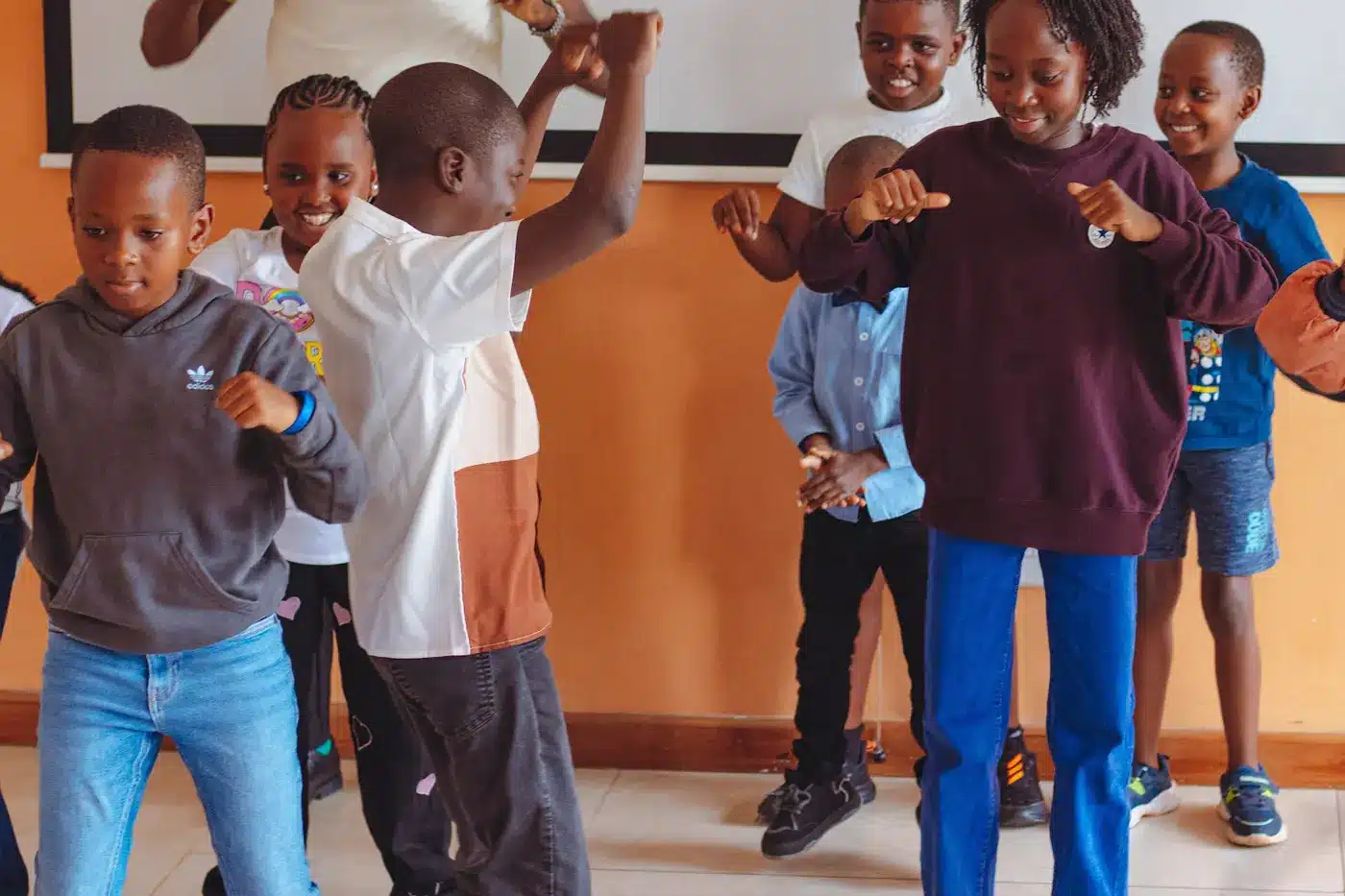
We build the speaker before we polish the speech.
The Sprout coaching philosophySprout’s kids holiday programs use public speaking as a place to apply what children are learning: reading an audience, choosing appropriate words, holding attention, responding to feedback and communicating an idea clearly.
We develop the child, then coach the speaking. This is not an etiquette class with public speaking added, and children do not spend the week memorising lines.
The program develops communication, collaboration and self-efficacy, which are among the core competencies identified by the Kenya Institute of Curriculum Development.
Understanding the situation, managing yourself, relating well and choosing a response that is both effective and respectful.
Notice expressions, tone, mood and personal boundaries. Understand what a setting or occasion calls for before reacting.
Listen, cooperate, participate, disagree respectfully and take responsibility when something goes wrong.
Adjust words, tone and energy for the listener. Speak up clearly without becoming passive, rude or overpowering.
Children will not master every social skill in one week. They will learn what to do, practise it with guidance and leave with clear ways to keep improving at home, at school and in public.
The week is active, coached and deliberately repetitive. Children do not spend five days listening to lectures about confidence.
See and discuss what an effective response looks and sounds like.
Role-play everyday situations with a coach and an age-matched group.
Hear the exact behaviour to keep or adjust—not only “good job.”
Repeat the interaction until a stronger response feels more natural.
Apply the learning through conversation, teamwork and speaking.
The same theme is taught differently because a six-year-old, a twelve-year-old and a seventeen-year-old face different social tasks.
Every day adds a new layer, then gives children a chance to apply it in conversation, group work and their final message.

Introductions, greetings and starting a conversation.
Taking turns, asking useful questions and staying on topic.
Noticing tone, mood and what a situation calls for.
Correction, disagreement, mistakes, winning and losing.
Practice, final feedback and preparation to communicate clearly.
A live final presentation for family and invited guests.
Our kids holiday programs include parents because children make stronger progress when the adults around them understand the coaching and use the same language. In the middle of every cohort, parents attend a complimentary webinar with the Sprout team.
Choose a class near your family or join online. Every card opens the registration page, where you can select the child’s age group and payment option.
9:00 am–12:00 pm · Showcase on the final class day
Independent online cohorts · 6:00–7:15 pm
These holiday cohorts have now closed. Please contact Sprout for upcoming class dates.
Maximum 12 children per age group.
Confirmed venues are shown above and repeated during registration. KES 500 holds your child’s place and is applied to the total fee.
Read what parents say after their children join Sprout classes and kids holiday programs. These reviews come directly from the Sprout Life Skills Google profile.
My 8-year-old daughter has been in Sprouts Life Skills' public speaking class and it has brought out her best. She now knows her voice matters and it shows in how she shares her ideas and speaks up with confidence. What I love most is that the confidence hasn't stayed in the classroom. At home she expresses herself more clearly, she's more comfortable talking to adults, and she handles new situations with a lot less fear than before. The coaches are patient and encouraging and you can tell they care about each child.
This is a worthy experience for the children in a bid to build their confidence and expression.
It's made my daughter improve on her confidence in speaking in front of people and communicating effectively.
Thank you, Sprout Skills, for the amazing Public Speaking Holiday Program. Both of my children gained confidence and improved their communication skills. We truly appreciate your support and dedication. Highly recommended!
My child is able to maintain eye contact when addressing persons they are meeting for the first time.
Best after-school and weekend program for kids.
Reviews shown are selected from the Sprout Life Skills Google Business Profile. Read all reviews on Google →
Sprout’s leadership team guides the season with experienced coaches across every location and the online classes.
Age-specific groups allow coaches to model, observe and give feedback at a level children can understand and use.

Lead Coach and Co-Founder

Programs Director
Need help choosing a class? Call +254 795 75 66 88 or email [email protected].
Sprout develops the child before concentrating on speech delivery. The November program teaches social awareness, conduct, self-management and communication, then gives children coached opportunities to apply those skills through conversation, group work and public speaking.
The KES 500 holds your child’s place while you complete the remaining payment. It is deducted from the total program fee, so it is not an added charge. The registration page shows the full fee and the available payment options before you confirm.
Yes. You can register siblings in the same or different age groups, provided places are available. Discounts for the second and third child are applied during registration, so you will see the adjusted amount before payment.
No. Online is a separate program option and is not attached to Ruiru or any other physical location. The three online cohorts run from 2–7 November, 16–21 November and 7–11 December, with evening coaching from 6:00 pm to 7:15 pm.
No. Coaches start with the child’s current confidence, communication and social-development level. A child who is hesitant to speak and a child who speaks freely but needs to listen or adjust their approach can both benefit from the program.
Showcase Day is the final day of each in-person cohort. Each child presents an original piece before family and invited guests. The aim is not perfect performance. It is an opportunity to apply the week’s lessons in audience awareness, self-management, clear speaking and personal presence.
The Sprout team explains what the children are learning, the behaviours the coaches are observing and how parents can reinforce the same skills at home. You also receive a complimentary lesson on feedback, questions and routines that help children continue practising after the program ends.
Children practise more consistently when parents understand the coaching language and know how to respond. A well-meant reaction at home can sometimes discourage a child from trying again. The webinar helps parents encourage progress without pressure, correction that is too broad or comparison with other children.
Monday to Friday sessions are for the children, allowing them to participate independently and build trust with their coaches and group. Parents join the Wednesday webinar separately and attend the in-person Showcase on the final day. Online Showcase details are shared with registered families.
Each day builds on the previous one, so consistent attendance gives your child the best experience. If an absence is unavoidable, contact the team as early as possible. We will explain what was missed and advise what the child needs before returning, although a full missed session cannot always be recreated.
Yes. The holiday program can be a starting point rather than the end of the child’s development. Families can continue through Saturday classes or SproutHub online coaching, depending on the child’s needs, location and schedule.
Choose from six in-person locations or three independent online cohorts. Registration, family discounts and payment options are handled securely on the next page.
Register Your ChildKES 500 holds the place and counts toward the total fee.