

Sprout Spark
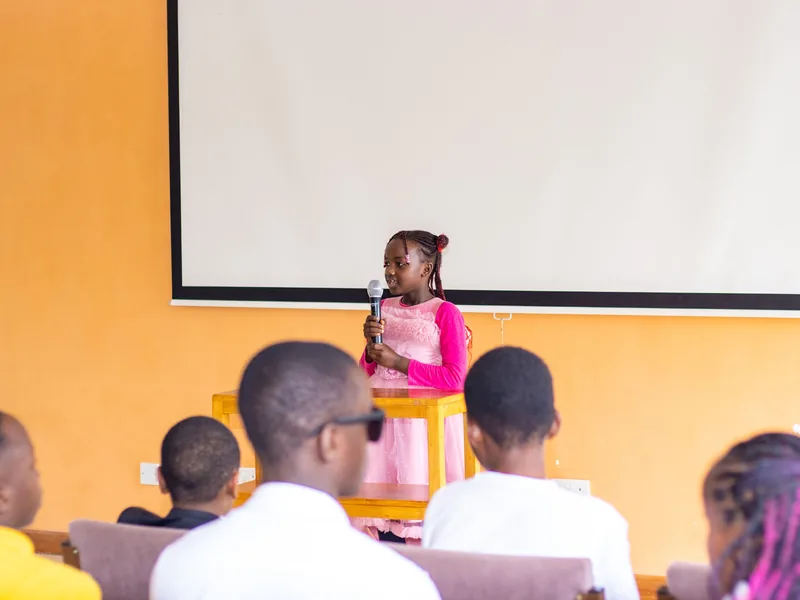
Ages 6 to 9 · up to 2 minutesA speech at this age can begin with something small: a person, a place, a moment, a question or an experience your child remembers.
Free · Ages 6 to 17 · Anywhere in Kenya ·
Children aged 6 to 17 choose a topic about Kenya, record a short speech on a phone at home, and share what they think with adults across the country. The best speakers move through four rounds, and 15 finalists speak live in Nairobi on .
It is a free national public speaking competition for children aged 6 to 17, run by Sprout Life Skills. Children speak about the country they are growing up in, and adults listen.
Public speaking is how children take part. The bigger purpose is that children are heard: they share what they notice, what they think and what could change, in their own words.
Any child living in Kenya can enter through a parent or guardian, whether they go to a public school, a private school or learn at home. Your child does not need a school to sign them up, and does not need any speaking experience.
Children notice what happens around them. They have questions, opinions and ideas. Adults do not always stop to ask what they think. This season, we are asking.
Every topic is about Kenya, and every child is speaking to adults. A speech may:
A child can challenge corruption, unfairness, unsafe systems or environmental damage. A speech cannot attack or campaign for a named person, political party, school, organization or community. This keeps the championship nonpartisan.
We do not treat children as half-formed adults. We treat them as people who already understand a great deal, and who are usually waiting for someone to listen.
There are three age groups, with the same theme and a different speech length for each.
A speech at this age can begin with something small: a person, a place, a moment, a question or an experience your child remembers.
Children this age often have clear opinions about what they see. The topics let them explore one issue and explain what they think about it.
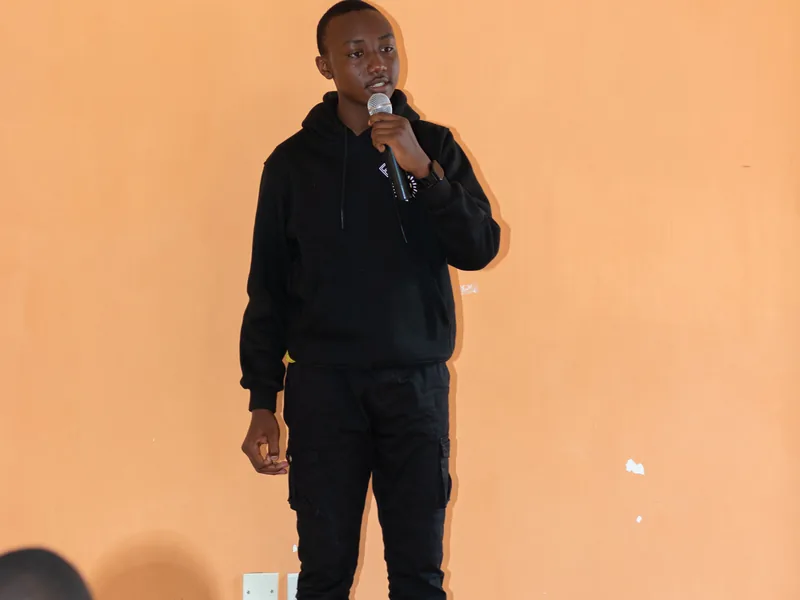
The topics let teenagers take a position, explain their reasoning and leave adults with something worth considering.
Each age group has eight topics, 24 in all, under the season's theme. A topic is the subject, not the speech: your child chooses the direction, the message and the ending. Read the topic guide
Start with a conversation at home. Entry takes three steps, and your child keeps the ideas and words.
There are eight topics for each age group. Read them together and ask which one gives your child something to say. There is no single right choice or message.
A phone is enough. Find a quiet place, light your child's face and let them use their own words. Record it as many times as your child likes, and send the version they are happiest to share.
Complete the short form, which takes about 10 minutes, and upload the video. We review every entry, usually within two working days. If it meets the publication rules, we place it on the Wall of Speeches and send you the link.
You can help with the process, but the ideas and words must stay your child's own.
You may not write the speech, give lines to memorize or use an AI tool to generate it. Adult-written, AI-written and copied speeches are not accepted.
Auditions take most of the season, so families have time to choose, record and send. Each later round is shorter and has fewer children. Every live event is on a Saturday in Nairobi.
From home. Any child can send a speech before the deadline. Each approved audition is scored by judges who do not see the child's name or school. The top 20 in each age group (60 children) move on.
Announced on . A new topic and a new video from home, with a short preparation guide. The top 10 in each age group (30 children) move on.
Announced on . A new topic, with time to prepare and a coaching session. We confirm whether the semi-finals are held in Nairobi or online before the round begins. The top five in each age group (15 children) move on.
Saturday eventAnnounced on . Fifteen finalists speak live in Nairobi, with a finalist coaching session on . One champion is named in each age group, and the event is professionally filmed.
Live in Nairobi · venue to be confirmedJudging happens in the weeks between rounds. We tell every family when their child's result is ready, and we confirm any change of date here and by email to the families who have entered.
Selected judges score every speech on three things from the Sprout Model. Speeches are not recitals, so what counts is how a child sounds and thinks.
Sounding like yourself: at ease, honest and comfortable with an audience.
Speaking clearly, varying tone and pace, and standing with presence.
Organizing ideas well and choosing the words and examples that make a point land.
If you are worried about a child's safety, Childline Kenya is free on 116.
Advancement is one part of the experience. We never want parents to feel that only the winners benefited. Every approved participant gets:
Quarterfinalists, semi-finalists and finalists receive progressively more coaching, feedback and recognition.
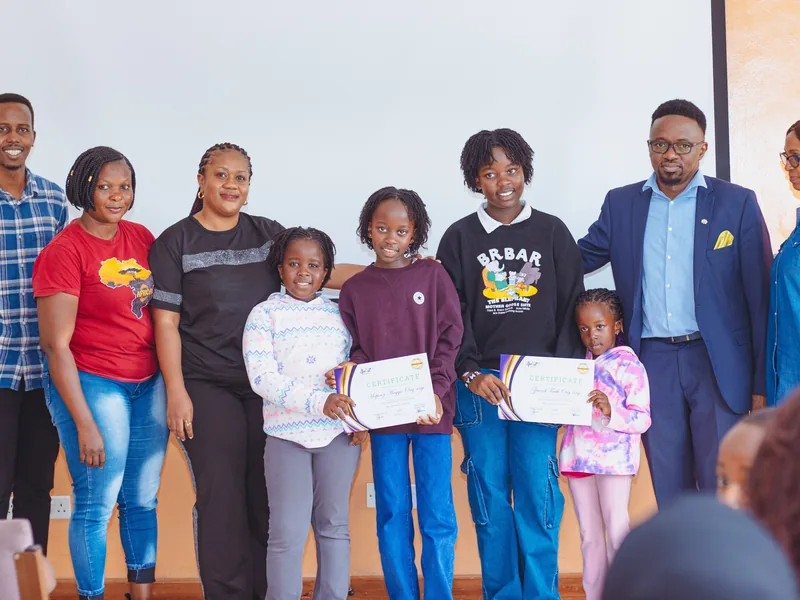
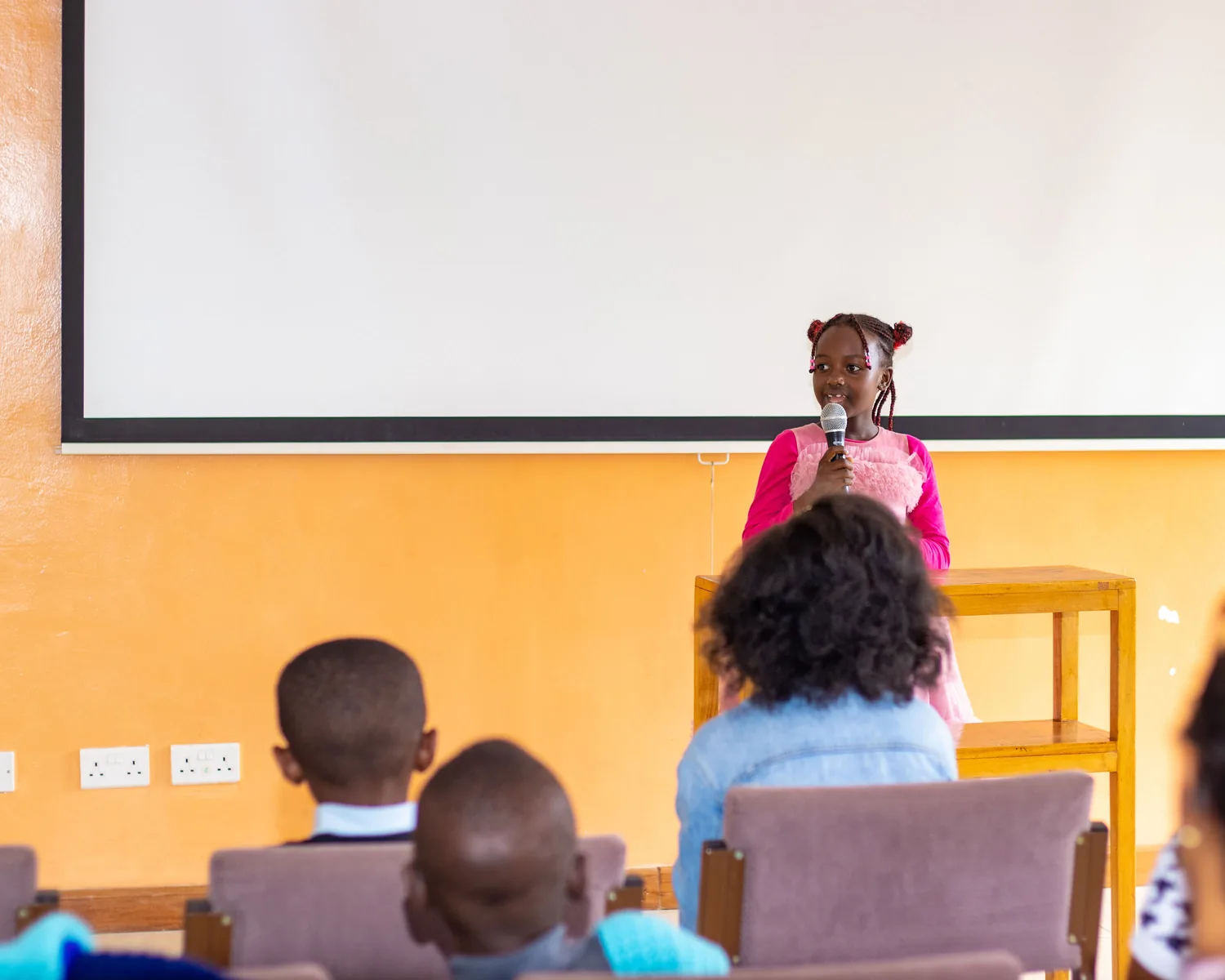
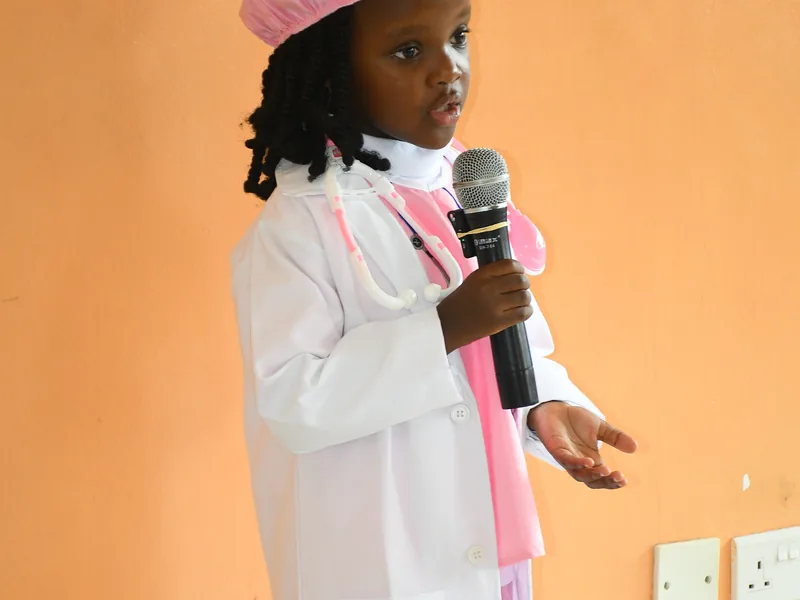
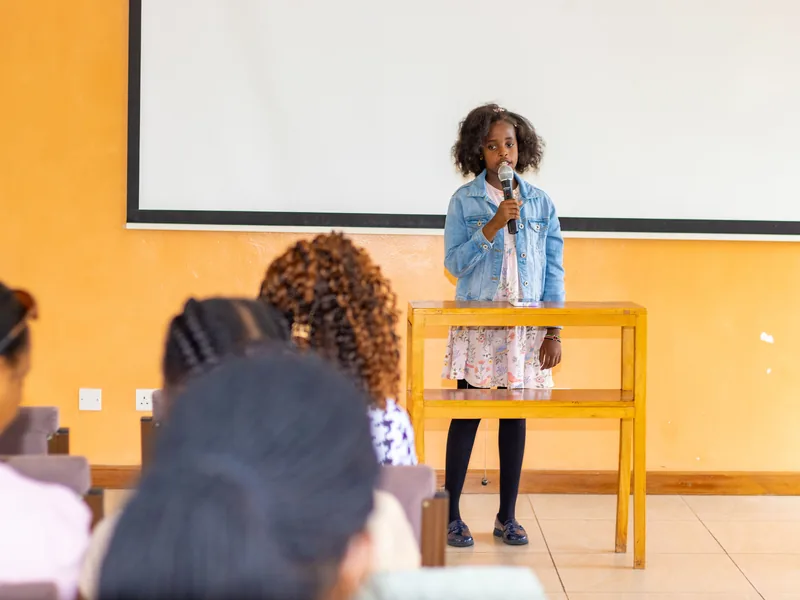
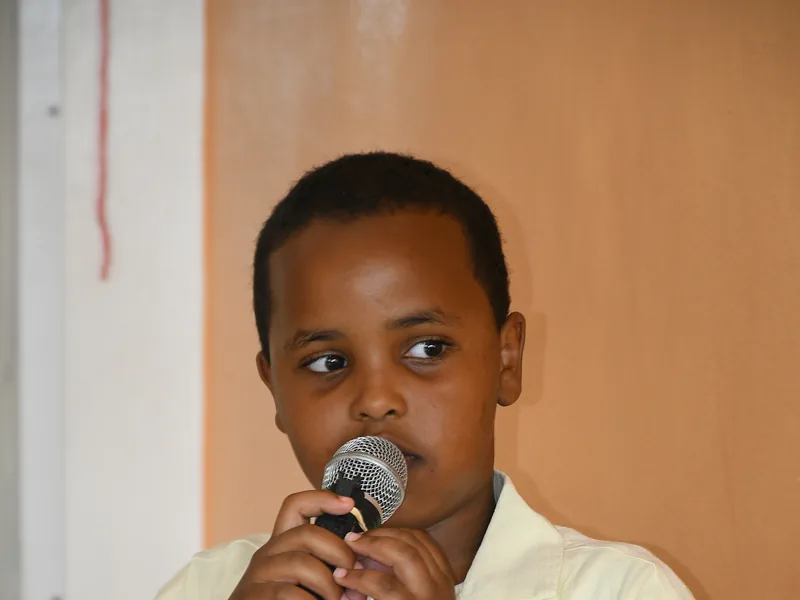
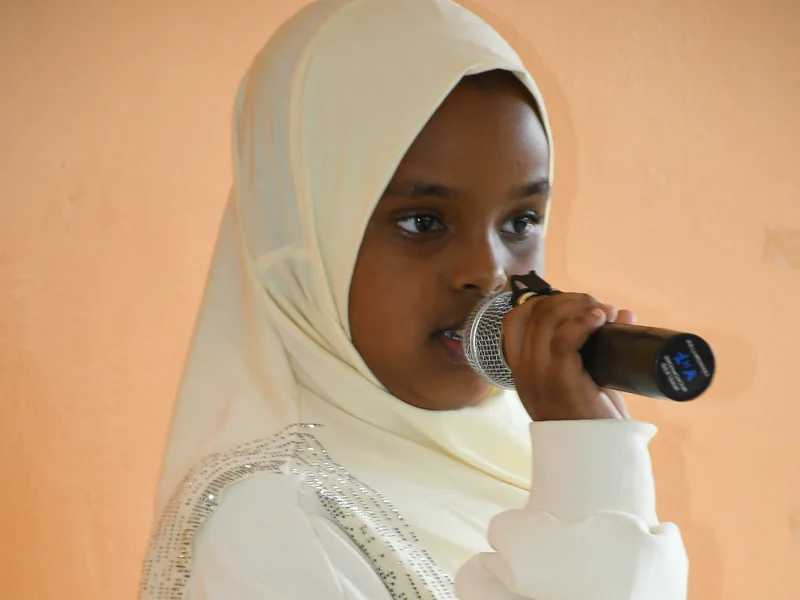
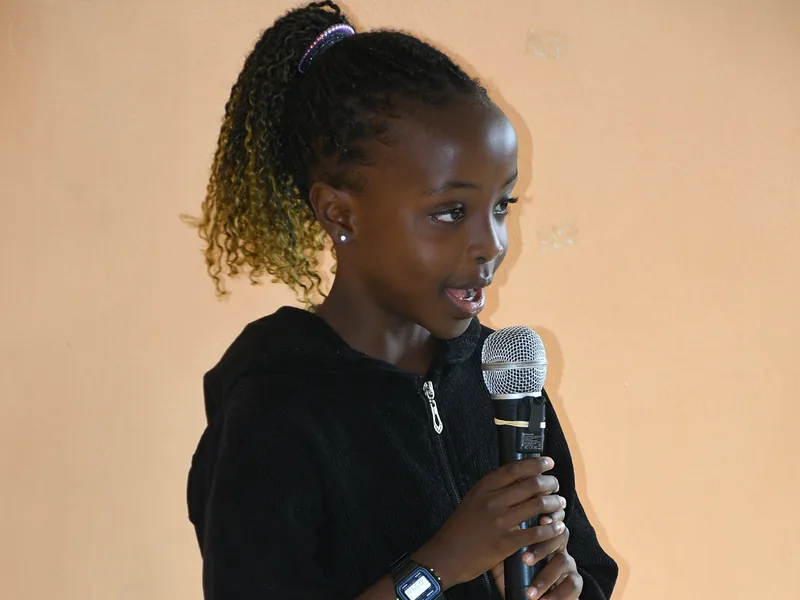
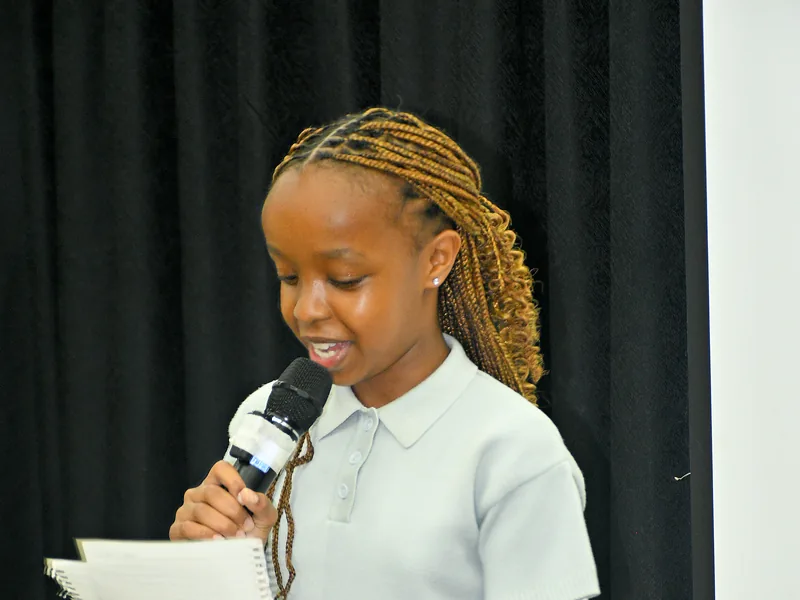
These are children from our programs, practicing with their coaches and speaking to audiences at the Sprout centre.
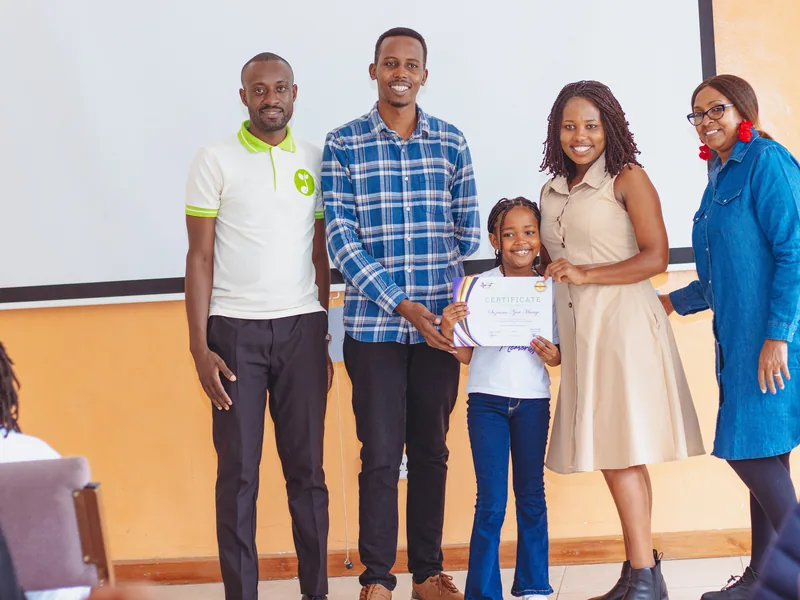
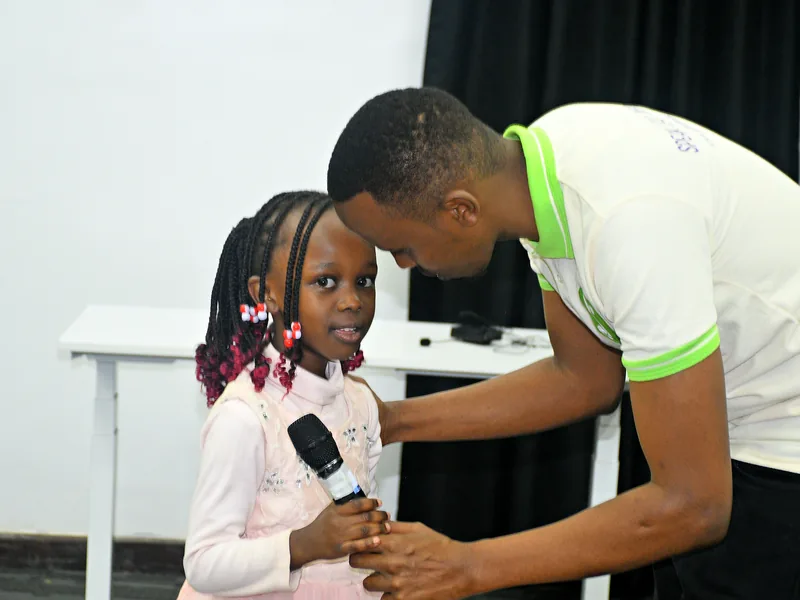
The championship is open to families in every county. Partners help more children take part and have their speeches heard, in cash or in kind. Support can go to:
Founding Partner. One organization may join as Founding Partner for this season, with recognition we agree together across the championship and at the Grand Final.
Sprout Life Skills is a public speaking and communication coaching company in Kilimani, Nairobi. The championship is led by its co-founders, who coach children every week.
The championship opens that coaching to children across Kenya, including children who have never attended a Sprout class or entered a speaking competition.

Created the Sprout Model and guides the championship's speaking framework.
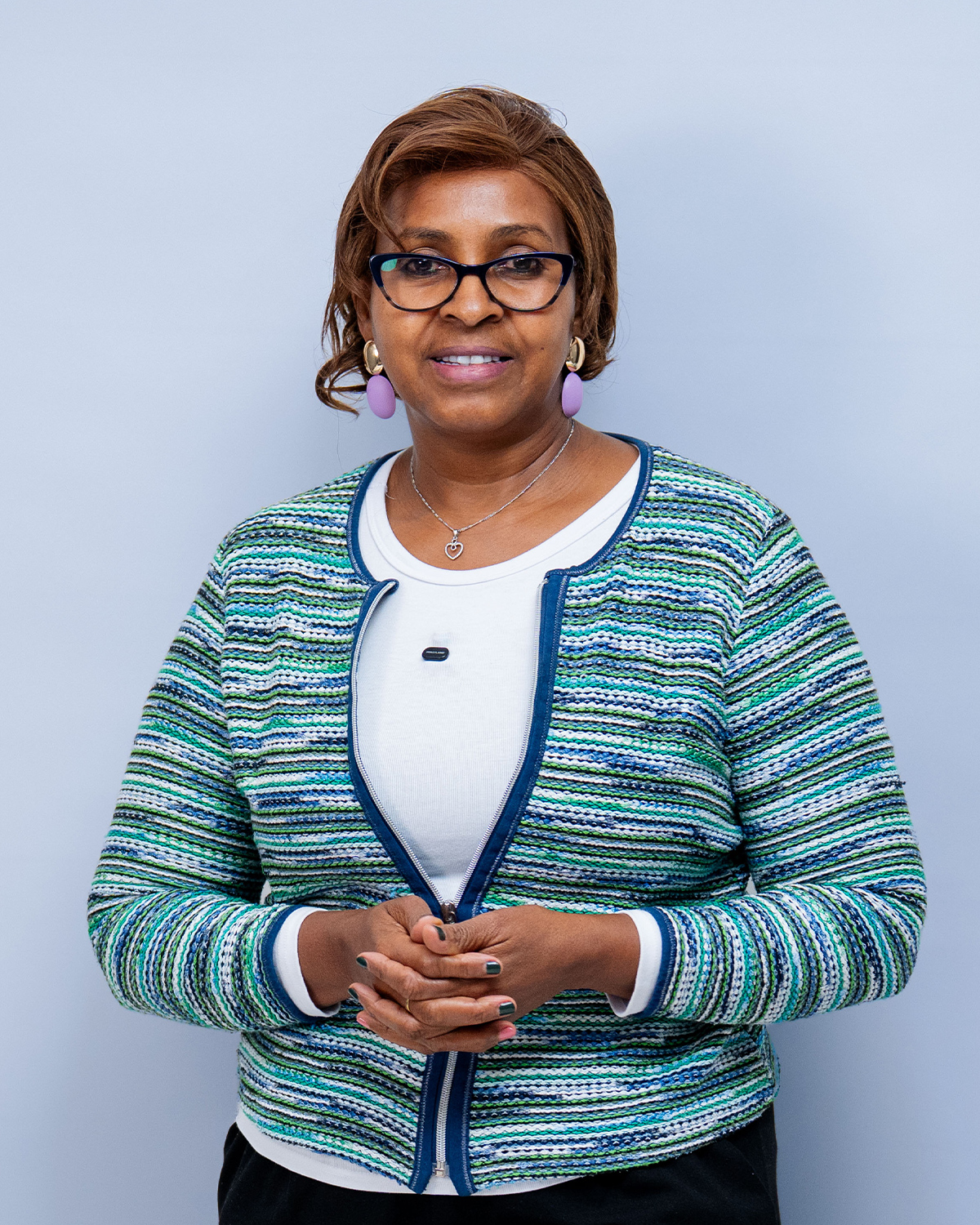
Leads Sprout's programs for children and adults.
Still unsure? Call +254 795 756 688
Entry is free. There are no application fees and no judging fees later in the competition.
Auditions run from to . Your child can send a speech at any time before the deadline.
No. Any child aged 6 to 17 living in Kenya may enter through a parent or guardian. Children in public school, private school or homeschooling are equally welcome. You enter your child directly.
Your child chooses one of the eight topics for their age group. All topics sit under this season's theme, The Kenya We Want, and are about everyday life in Kenya, such as school, health, safety and the environment. The topic gives your child a subject, and they decide the message.
English, Kiswahili, their mother tongue or a natural mix. The language your child chooses does not make the entry more or less competitive. They should use the language that helps them say what they mean.
No. The championship is about citizenship and children's experiences, not party politics. A speech may not campaign for or attack a politician, party, public official, school, organization or community, and we review every entry before publication.
The championship team sees it first. Nothing goes online until we have reviewed and approved it. Once approved, anyone may watch it on the championship website, and you may ask us to remove it at any time.
Selected judges score Naturalness, Voice and Words. Normally three judges score each audition independently. They see a participant number, age group, topic and video, but not the child's name, school, town or family details.
You can help with the process, but the ideas and words must stay your child's own. You may help them choose a topic, think through what they want to say, practice and record. You may not write the speech, give lines to memorize or use an AI tool to generate it.
Every approved participant receives a participation certificate, a shareable speech page, a speech preparation resource, an invitation to a free post-championship learning session and a parent guide on helping children communicate.
In Nairobi on . We will confirm the venue on this page and tell each finalist's family directly.
Tell parents about the opportunity. Share championship.sprouts.co.ke in your WhatsApp groups, newsletters or announcements, and interested parents can enter their children directly. Your organization does not need to sign up or manage entries.
Read the topics together. When your child finds one that gives them something to say, help them record the message in their own words.
Would your organization like to help? Become a sponsor